Retiring in Panama: residency, healthcare and where people settle
Residency on a pension, healthcare without Medicare, Social Security and tax, and where retirees live.
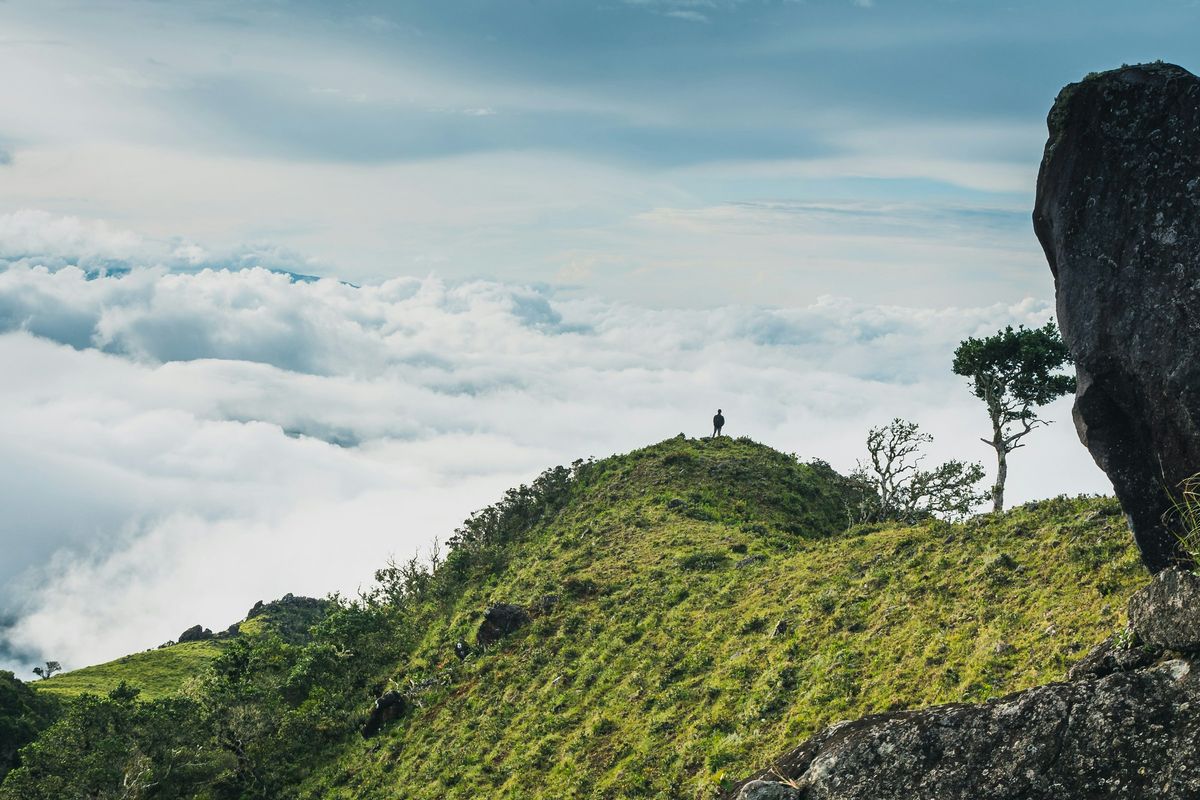
Panama has been one of the most popular countries for American retirees for two decades. The reasons are practical: a retirement visa with a low income requirement, the US dollar, good private healthcare in the capital and short flights home. The questions to settle are residency, healthcare and money.
Residency on retirement income
The Pensionado visa is built for retirees:
- You need a pension paid for life of at least $1,000 a month. Social Security counts.
- Each dependant adds $250 a month.
- It gives permanent residency, with nothing to renew.
- There is no minimum age.
The application is filed in Panama by a Panamanian attorney, after you have collected and apostilled your documents in the US. A couple usually applies with one person as the main applicant and the other as a dependant.
If your income is from savings or investments and not a pension, the Pensionado visa doesn’t fit. Look at the Friendly Nations visa, which generally needs a property purchase or bank deposit of about $200,000.
The retiree discounts
Panamanian law gives retirees discounts on a list of everyday costs, including restaurant meals, hotel stays, domestic transport, airline tickets, medical consultations, medicines and utility bills. Pensionado visa holders get them at any age, and other legal residents get them from 55 for women and 60 for men. The Pensionado visa guide lists the amounts.
Healthcare
Medicare doesn’t pay for care in Panama. Retirees handle this in one of these ways, often in combination:
- Private insurance, from a Panamanian insurer or an international one. Premiums rise with age, and some insurers won’t take new customers past a certain age, so get quotes before you commit to moving.
- Paying directly. Routine care costs far less than in the US, and many retirees pay for doctor visits and medicines themselves and insure only against large bills.
- Hospital membership plans. Some private hospitals sell their own discount or membership plans. They are cheaper than insurance and cover less.
Panama’s public system is funded by social security contributions from workers, so most foreign retirees are not covered by it. See health insurance in Panama.
Where you live decides how far you are from a hospital. Panama City has the main private hospitals, and David serves Boquete. From the beach towns, the Azuero and Bocas del Toro, serious cases go to the capital.
Many retirees keep Medicare Part B so they are covered on visits to the US or if they move back.
Social Security, money and tax
- You can receive Social Security while living in Panama.
- Panama uses the US dollar, so a dollar pension buys the same from one year to the next, apart from inflation.
- Panama taxes income earned in Panama. A foreign pension is generally outside that.
- You still file a US tax return each year, and report Panamanian bank accounts above a threshold. See taxes for Americans in Panama.
- Opening a Panamanian bank account takes time and paperwork. Keep your US accounts.
Where retirees settle
- Boquete, in the Chiriquí highlands: the best-known retiree town, with cool weather and hospitals 40 minutes away in David.
- Coronado and the Pacific beaches: beach living an hour or more from Panama City, with shops and clinics close by.
- Panama City: for retirees who want city life and the shortest trip to a specialist.
- El Valle de Antón: a small, cool mountain town about two hours from the capital.
- Pedasí and the Azuero Peninsula: dry, quiet, lower cost and further from major healthcare.
Heat, humidity and distance to a major hospital matter more at 75 than at 60. See the best places to live in Panama for a fuller comparison.
Pros and cons for retirees
| For | Against |
|---|---|
| Low pension requirement and permanent residency | Hot and humid outside the highlands |
| US dollar, no exchange rate risk | Medicare doesn’t apply |
| Foreign pensions generally not taxed by Panama | Best hospitals are concentrated in the capital |
| Good private healthcare at lower prices | Bureaucracy is slow and in Spanish |
| Direct flights to the US | Panama City costs more than people expect |
Before you commit
- Spend a few months renting in the town you are considering, including part of the wet season.
- Confirm with an attorney that your pension qualifies, and how your spouse will be included.
- Get health insurance quotes at your current age.
- Work out a budget from the cost of living in Panama, not from the visa minimum.
- Read the steps for the whole move for the order to do things in.
Common questions
How much income do I need to retire in Panama?
For residency, the Pensionado visa requires a lifetime pension of at least $1,000 a month, plus $250 for each dependant. What you need to live on is higher: a couple commonly spends $1,800 to $4,000 a month depending on where and how they live.
Can I collect Social Security while living in Panama?
Yes. US citizens can receive Social Security retirement benefits while living in Panama. Most people have them paid into a US account and move money as needed.
Does Medicare work in Panama?
No. Medicare generally doesn't pay for care outside the US. Retirees in Panama use private insurance, pay directly, or combine the two. Many keep Medicare Part B for visits home.
Does Panama tax retirement income?
Panama taxes income from Panamanian sources. A US pension, Social Security and withdrawals from US retirement accounts are foreign-source income and are generally not taxed in Panama. They remain taxable in the US under the normal rules.
This page is general information, not professional advice. Rules and amounts change, and officials apply them differently. Confirm the details with the relevant authority or a qualified professional before you act on them.