Buying property in Panama as an American
Foreigners can own property in Panama. How title works, the steps in a purchase and what to check first.
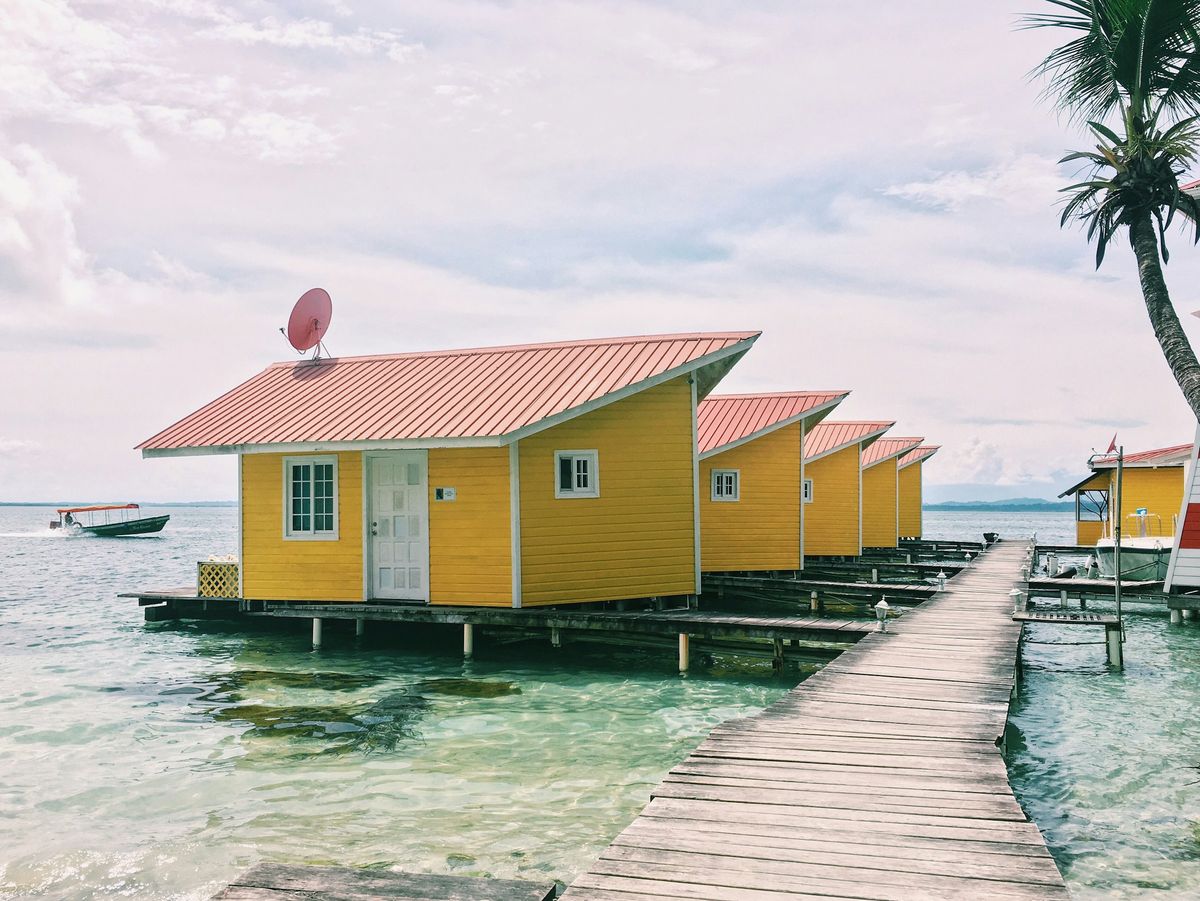
Americans can buy and own property in Panama, and a purchase can also support a residency application. The process differs from a US purchase in a few ways: not all land has title, there is no single listing system, and much of the checking falls to you and your attorney.
Can Americans own property in Panama?
Yes. For titled property, foreigners have the same ownership rights as Panamanians. The exceptions:
- Border land. Foreigners can’t own land within 10 km of a national border.
- Islands and coast. Some island and beachfront land can’t be titled and is held under government concessions or rights of possession.
Titled property and rights of possession
This is the most important thing to understand before you look at listings.
| Titled property | Rights of possession | |
|---|---|---|
| Recorded in the Public Registry | Yes | No |
| Proof of ownership | Registered deed | Local certificates and history of occupation |
| Mortgage possible | Yes | No |
| Counts for a residency visa | Yes | No |
| Where it is common | Cities, developments, most of the interior | Islands, beaches, Bocas del Toro, rural areas |
Rights of possession land is cheaper and can sometimes be titled later, but disputes over who holds the right are a common way foreign buyers lose money. If you consider it, use an attorney who knows the area and expect a longer, more careful process.
The steps in a purchase
- Offer. Usually made through an agent. Prices are often negotiable.
- Title search. Your attorney checks the Public Registry for the owner, liens and mortgages, and confirms that property taxes and utilities are paid up.
- Promise-to-purchase contract (contrato de promesa de compraventa). It sets the price, the deadline and the penalties, and is signed with a deposit, commonly about 10 percent. It can be recorded in the Public Registry to stop the seller selling to someone else.
- Payment arrangement. The balance is typically paid through a bank’s irrevocable promise-of-payment letter or an escrow service, and released when the property is registered in your name.
- Final deed (escritura pública). Signed before a notary.
- Registration in the Public Registry. You are the owner once the deed is recorded.
A straightforward purchase of a titled, completed property commonly takes one to two months.
How to hold the property
Many properties in Panama are owned through a Panamanian corporation or a private interest foundation, for estate planning or to simplify a later sale. There are trade-offs:
- A corporation has annual fees, and for a US citizen it brings extra US tax reporting.
- Residency routes based on real estate generally want the property in your own name.
Decide with your attorney and your US tax preparer before you sign, because changing the structure afterwards costs money.
Costs to expect
- Buyer’s closing costs. Legal fees, notary fees and registration. They commonly total a low single-digit percentage of the price. Ask for a written estimate.
- Transfer tax and capital gains. A 2 percent transfer tax and an advance payment toward capital gains tax are due on a sale. By custom the seller pays them, but check what your contract says.
- Property tax. Low by US standards. A primary home registered as such is exempt up to a set value, about $120,000 in recent years, with rates of well under 1 percent above that. Some older buildings still carry long tax exemptions from when they were built.
- Maintenance fees in apartment towers and gated communities, which can be substantial.
What to check before you buy
- Title. A current certificate from the Public Registry showing the owner and any liens.
- Pre-construction. Check the developer’s permits and track record, what protects your deposits, and what happens if the project is late.
- Building finances. In a tower, ask how many owners are behind on maintenance fees and what condition the reserve fund is in.
- Water, access and boundaries for houses and land outside the cities. Get a survey.
- Agents. Panama requires real estate brokers to hold a licence. Ask for the licence number. See real estate agents in Panama.
- Your own attorney. Hire one who is independent of the seller, the developer and the agent.
Buying for residency
A titled purchase of about $200,000 or more can support the Friendly Nations visa, and from about $300,000 the Qualified Investor visa. Have your immigration attorney review the purchase contract before you sign, because the title, the ownership structure and the way the money is paid all affect whether the property qualifies.
Rent first
Most people who settle well in Panama rent for six months to a year before buying. It tells you whether the town, the building and the climate suit you in both seasons. See the best places to live in Panama for how the main areas compare.
Common questions
Can Americans buy property in Panama?
Yes. Foreigners can own titled property in Panama with the same rights as Panamanian citizens. The main exceptions are land within 10 km of a national border and some island and coastal land, which is held under concessions or rights of possession instead of title.
Do I need to be a resident to buy property in Panama?
No. You can buy as a tourist. Owning property doesn't by itself give you residency, though a qualifying purchase can support a Friendly Nations or Qualified Investor visa application.
What is rights of possession property in Panama?
It is land that someone occupies and has a recognised right to use, but that has no registered title. It is common on islands and coasts, including Bocas del Toro. It is cheaper and riskier: ownership is harder to prove, banks won't lend against it, and it can't be used for a residency visa.
Can I get a mortgage in Panama as an American?
Sometimes. Some Panamanian banks lend to foreigners, usually with a larger down payment than in the US, plenty of paperwork and age limits on the loan term. Many foreign buyers pay cash.
This page is general information, not professional advice. Rules and amounts change, and officials apply them differently. Confirm the details with the relevant authority or a qualified professional before you act on them.