Best places to live in Panama for Americans
Six areas compared on climate, cost, healthcare, community and distance from the capital.
Panama is small enough to drive across in a day, but the places foreigners settle are very different from each other. The main choice is between heat and altitude, and between being close to Panama City’s hospitals and airport or far from them.
How to compare places
- Climate. The lowlands and coasts are hot and humid all year. The highlands are 10 to 15 degrees Fahrenheit cooler. The Pacific side has a dry season, and the Caribbean side has very little of one.
- Healthcare. The main private hospitals are in Panama City, with others in David. Elsewhere you are relying on clinics and a drive.
- Distance from the capital. It is where the international airport, embassies, immigration offices and specialists are.
- Cost. Housing drives the difference. See the cost of living in Panama.
- Community. A few towns have enough English speakers for clubs and services in English. In others you will need Spanish every day.
At a glance
| Place | Climate | Hospitals | From Panama City |
|---|---|---|---|
| Panama City | Hot, humid | The country’s best | In the city |
| Boquete | Mild, misty | 40 minutes away in David | 6 to 7 hours by road, or a one-hour flight to David |
| Coronado | Hot, breezy, drier | Local clinics, capital for major care | About 1 to 1.5 hours |
| El Valle de Antón | Mild | Basic local care | About 2 hours |
| Pedasí and the Azuero | Hot, dry | Regional hospitals in Chitré and Las Tablas | 4 to 5 hours |
| Bocas del Toro | Warm, wet | Limited | A one-hour flight, or a long drive and a boat |
The places
Panama City
A capital of high-rise towers on the Pacific, with the country’s best hospitals, restaurants, shopping and flight connections, and a metro. Foreigners live in the waterfront tower districts, the restored old quarter of Casco Viejo, older central neighbourhoods and the leafy former Canal Zone areas. It is hot all year, traffic is heavy, and housing in the popular districts is the most expensive in Panama.
Boquete and the Chiriquí highlands
A small coffee-growing town at roughly 3,500 feet below the Barú volcano, with spring-like weather and Panama’s best-known retiree community. There are English-language clubs, markets and volunteer groups. David, about 40 minutes downhill, has private hospitals, big-box shopping and an airport with flights to the capital. Expect mist and wind for part of the year. Volcán and the towns on the other side of the volcano are quieter and cheaper.
Coronado and the Pacific beaches
A string of beach communities along the Pan-American Highway west of the capital, with Coronado as the service centre. It has supermarkets, clinics, restaurants and a long-standing foreign community, many of them in gated developments and beachfront towers. The area is hot, with breezes, and drier than the capital. Panama City’s hospitals are an hour or more away depending on traffic, which gets heavy on holiday weekends.
El Valle de Antón
A small town inside an old volcanic crater at about 2,000 feet, cooler than the coast and popular with Panama City families at weekends. It suits people who want mountain air without being as far from the capital as Boquete. Services are limited, and the foreign community is small.
Pedasí and the Azuero Peninsula
The Azuero is the heartland of Panamanian folk tradition and the driest part of the country. Pedasí is a small fishing and surfing town with a modest foreign community. Las Tablas and Chitré are working Panamanian towns with lower costs and regional hospitals. You will need Spanish, and the capital is a long drive.
Bocas del Toro
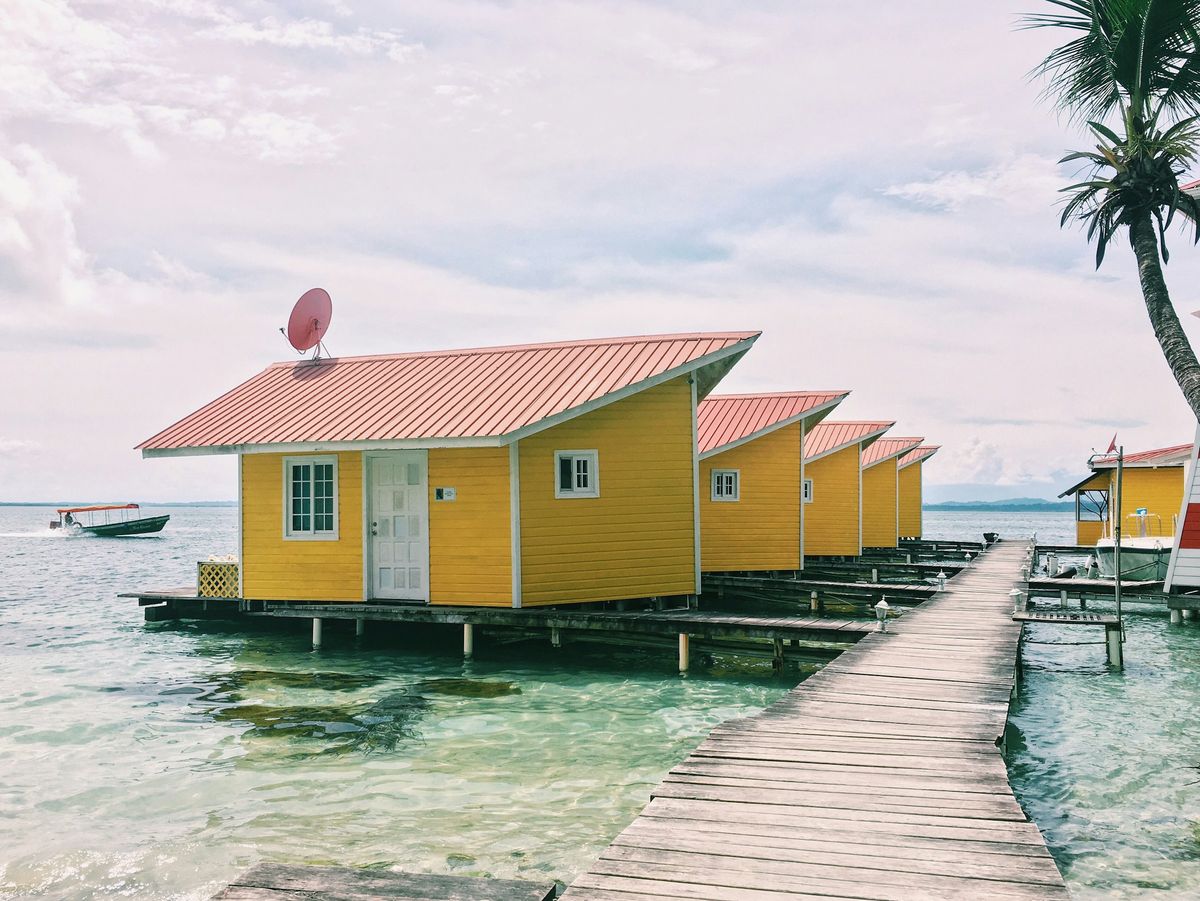
A group of Caribbean islands near the Costa Rican border, with wooden houses over the water and a young, informal crowd. Life runs by boat. It rains a great deal, healthcare is limited, and much of the land is held under rights of possession instead of registered title, which matters if you plan to buy. See buying property in Panama.
Safety
The towns above are generally described by residents as safe, with petty theft and break-ins the usual concerns. In Panama City it depends on the neighbourhood. Parts of the capital and the city of Colón have high crime, and the US State Department advises against travel to parts of the Darién and the Mosquito Gulf. See living in Panama for more.
How to decide
- Decide whether you can live with year-round heat. That splits the list in two.
- Decide how far from a major hospital you are comfortable being.
- Visit two or three places for a few weeks each, including in the wet season.
- Rent for six to twelve months before you buy. A local real estate agent can help with long-term rentals.
- Check which residency route you qualify for before you commit.
Common questions
What is the best place to live in Panama for Americans?
It depends on what you want. Panama City suits people who want a big city and the best hospitals. Boquete has cool mountain weather and the best-known retiree community. Coronado offers beach living within reach of the capital. Pedasí and Bocas del Toro are smaller and more remote.
Where are the expat communities in Panama?
The largest are in Panama City, in Boquete and the Chiriquí highlands, and in Coronado and the nearby Pacific beach towns. Smaller communities are in El Valle de Antón, on the Azuero Peninsula around Pedasí, and in Bocas del Toro.
Is Panama City or Boquete better for retirees?
Panama City has the best healthcare, shopping and flights, with heat, humidity and traffic. Boquete is cooler, quieter and cheaper for housing, with hospitals about 40 minutes away in David and the capital a long drive or a short flight away. Many retirees choose on climate.
What are the safest places to live in Panama?
The towns with established foreign communities, such as Boquete, Coronado, El Valle and Pedasí, are generally described by residents as safe, with petty theft the main concern. In Panama City safety varies by neighbourhood. Check the current US State Department advisory and ask people who live there.
This page is general information, not professional advice. Rules and amounts change, and officials apply them differently. Confirm the details with the relevant authority or a qualified professional before you act on them.