Panama residency for Americans: requirements and how to get it
The main residency routes, what each requires, and the steps from apostilled documents to your resident card.
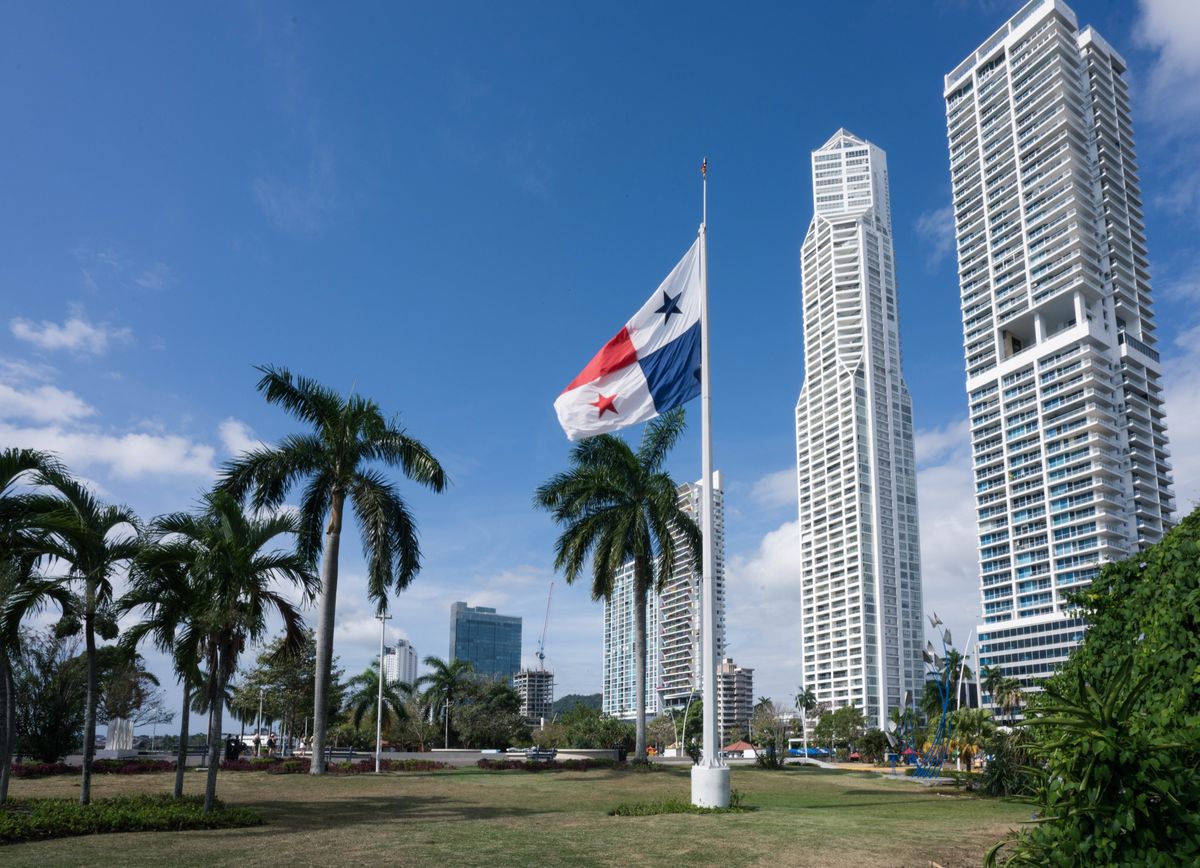
Residency in Panama means holding a resident card issued by the National Immigration Service (Servicio Nacional de Migración). It lets you stay beyond a tourist visit, makes banking and a local driver’s licence straightforward, and can lead to citizenship. This page gives the overview; the linked guides cover each route in detail.
Visiting without a visa
US citizens don’t need a visa to visit Panama. Under current rules the tourist stay is up to 180 days. A foreign driver’s licence is valid for only the first 90 days, and tourists can’t work for a Panamanian employer. Living in Panama on back-to-back tourist stays is not something to rely on.
The main residency routes
| Who it is for | Main requirement | What you get | |
|---|---|---|---|
| Pensionado visa | Anyone with a pension for life | At least $1,000 a month | Permanent residency |
| Friendly Nations visa | Citizens of listed countries, including the US and Canada | Property or bank deposit of about $200,000, or a Panamanian job | Two years’ provisional residency, then permanent |
| Qualified Investor visa | Investors | From about $300,000 in real estate, more for other assets | Permanent residency, processed quickly |
| Short-stay remote worker visa | People paid from abroad | About $3,000 a month in foreign income | Nine months, renewable once. Not residency |
Panama has other categories as well, including routes for people with larger savings, for spouses of Panamanian citizens and for people hired by Panamanian companies. An attorney will tell you if one of those fits better.
Panama residency requirements
Whichever route you use, expect to provide:
- A passport with at least a year of validity left is safest. You will need copies of every page.
- A criminal background check. For Americans this is an FBI report, apostilled by the US State Department. It is usually accepted only for a few months after issue.
- Proof for your route, such as a pension letter, a property title, a bank certificate or a work contract. Documents from the US must be apostilled.
- Marriage and birth certificates for a spouse and children applying as dependants, apostilled.
- A medical certificate from a doctor in Panama.
- Passport photos, government fees and deposits. The amounts differ by route and change. Ask for an itemised quote.
Documents in English are translated into Spanish by a certified translator in Panama.
How to get residency in Panama
- Choose a route and confirm with an attorney that you qualify.
- Collect and apostille your US documents. Federal apostilles can take weeks, so this sets your timeline.
- Travel to Panama. You apply in person. Plan for one to two weeks.
- Register your passport and file. Your attorney files the application at the immigration service. This is a legal requirement, not a convenience: you can’t file on your own.
- Receive a temporary card. It lets you stay while the application is processed. Ask your attorney about the permit you need to leave and re-enter Panama during this period.
- Collect your resident card once the application is approved, commonly some months later.
- Apply for a cédula. Permanent residents can get a Panamanian ID card for foreigners (the E cédula), which is easier to use day to day than a passport.
See Panama immigration lawyers for what to ask before you hire one.
Temporary, provisional and permanent
The Pensionado and Qualified Investor visas give permanent residency directly. The Friendly Nations visa gives two years of provisional residency first, and you apply for permanent status before those two years end. The remote worker visa is a temporary stay that doesn’t convert to residency.
What residency doesn’t do
- It doesn’t automatically let you work. Most routes need a separate work permit from the Ministry of Labour, and some professions are reserved for Panamanian citizens.
- It doesn’t replace health insurance. See health insurance in Panama.
- It doesn’t make you a Panamanian tax resident by itself, and it doesn’t change your US filing duties. See taxes for Americans in Panama.
- It isn’t citizenship. See Panama citizenship and dual nationality.
Common questions
What are the requirements for residency in Panama?
Every route needs a valid passport, an apostilled criminal background check, a medical certificate from a Panamanian doctor and an application filed by a Panamanian attorney. On top of that, each visa has its own test: a lifetime pension of at least $1,000 a month for the Pensionado visa, or a property purchase, bank deposit or Panamanian job for the Friendly Nations visa.
Do US citizens need a visa to go to Panama?
Not for a visit. US citizens can enter without a visa and, under current rules, stay as tourists for up to 180 days. Living in Panama beyond that requires a residency visa.
How long does it take to get residency in Panama?
Filing in Panama takes a week or two in person. Approval then commonly takes several months, during which you hold a temporary card. The Qualified Investor visa is designed to be faster. Your attorney can tell you current processing times.
Do I have to live in Panama to keep my residency?
Permanent residents are generally expected to visit Panama at least once every two years to keep their status. Tax residency and citizenship have their own, stricter presence tests. Confirm the current rule with your attorney.
This page is general information, not professional advice. Rules and amounts change, and officials apply them differently. Confirm the details with the relevant authority or a qualified professional before you act on them.