International schools in Panama: tuition, curricula and admissions for American families
How schooling works for American families in Panama: the private schools in Panama City, what each charges, the cheaper options and how to apply.
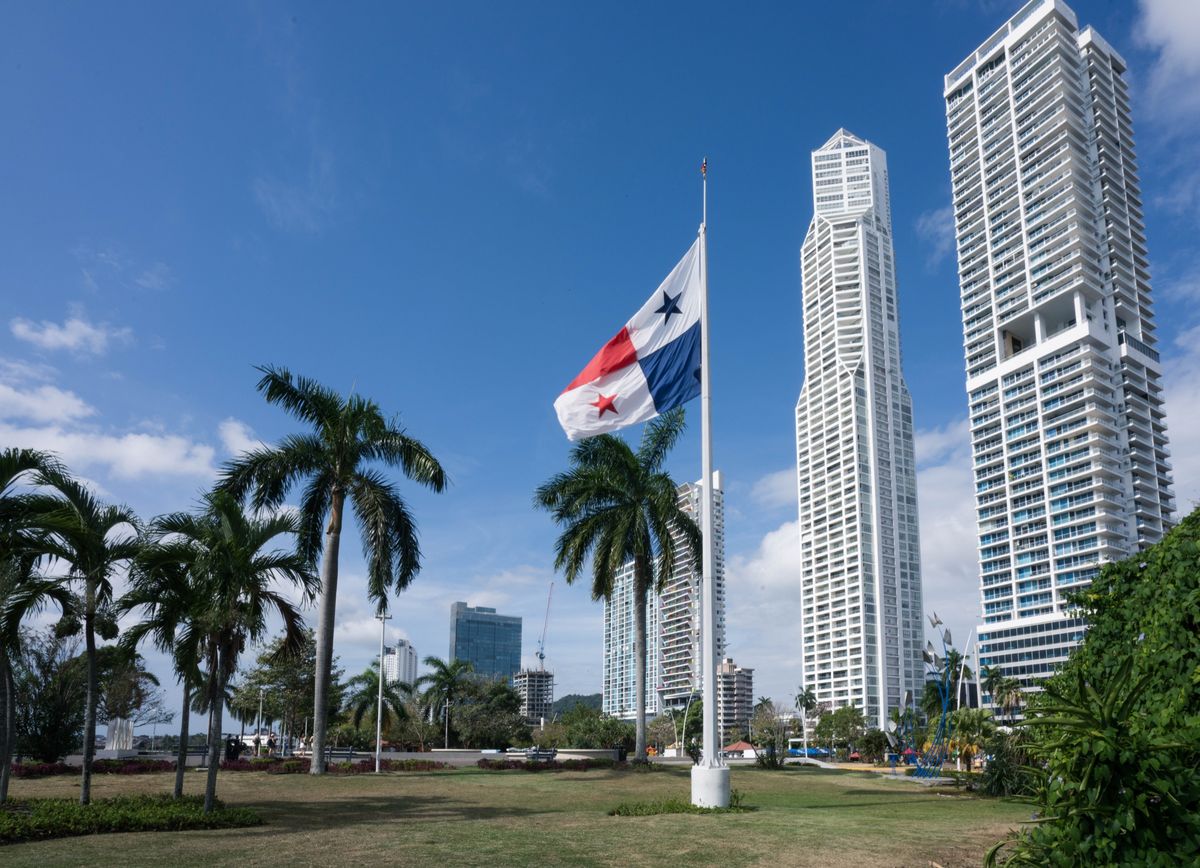
Panama’s international schools are almost all in or near Panama City, where families can choose between US-style, International Baccalaureate and British curricula taught in English. For 2026-27, the schools that publish their fees charge roughly $10,000 to $25,000 a year in tuition, depending on the school and grade, and some add a one-time admission fee of $12,000 or more. Outside the capital the options are mainly bilingual Panamanian private schools, so where your children will study often decides where you live.
The fees on this page come from the schools’ own published schedules for 2026-27, read in October 2026; other figures are estimates. Fees, curricula and accreditation change every year, and each school confirms its own. Panama’s Ministry of Education (MEDUCA) confirms how a foreign diploma or transfer is recognized.
The kinds of schools
| Type | Language | Leads to | Suits |
|---|---|---|---|
| US-curriculum international schools | English | A US high school diploma, often with Advanced Placement courses | Families who expect to return to the US or apply to US universities |
| International Baccalaureate (IB) schools | English, with Spanish taught | The IB diploma, recognized by universities in many countries | Families who may move again |
| British-curriculum schools | English | IGCSE and, at some schools, A levels or the IB Diploma | Families from the UK or heading to UK universities |
| Bilingual Panamanian private schools | Spanish and English | A Panamanian diploma | Families settling long term who want children fluent in Spanish |
| Panamanian public schools | Spanish | A Panamanian diploma | Families with Spanish-speaking children; quality varies widely |
Some families use online US schools instead. Ask your immigration attorney and MEDUCA how that fits with your children’s status and later study before you rely on it.
Private schools in Panama City
The established international schools are spread around the city rather than in one district, so the commute shapes the choice. Among the best known are:
- Balboa Academy, a US-curriculum school.
- The International School of Panama (ISP), in Cerro Viento, San Miguelito, east of the center. It runs from pre-kindergarten to grade 12 on an August-to-June calendar, and its fee schedule includes IB fees in grades 11 and 12.
- The Metropolitan School of Panama (the MET), in Green Valley, Panamá Norte, about 8.5 kilometers from Costa del Este. It is part of the Nord Anglia group, teaches the IB from age 3 to 18 (the Primary Years, Middle Years and Diploma programmes) in English, and lists accreditation by the IB, NEASC and MEDUCA.
- King’s College Panama, on Avenida Demetrio B. Lakas in Clayton. It teaches the UK National Curriculum and IGCSE, then the IB Diploma in the final two years.
There are others, including religious schools that teach in English and bilingual Panamanian schools. This is not a ranking. Visit, ask for current accreditation, and talk to parents whose children are at the school now.
A school across the city can mean an hour or more each way at rush hour, so many families choose the school first and then rent nearby. See living in Panama City for the neighborhoods.
Tuition and fees by school
Annual tuition for 2026-27 as published by each school, in US dollars. These are tuition only; registration, admission and other fees are below.
| School | Early years | Primary | Middle school | High school |
|---|---|---|---|---|
| International School of Panama | $10,204 (PK3) | $15,584 (PK4 to grade 5) | $17,092 (grades 6 to 8) | $19,328 (grades 9 to 12) |
| Metropolitan School of Panama (non-sponsored rate) | $11,475 (ages 3 to 4) | $16,560 (kinder to grade 5) | $18,771 (grades 6 to 8) | $18,948 (grades 9 to 12) |
| King’s College Panama | About $2,500 to $5,500 | About $6,000 to $8,500 (Years 1 to 6) | About $17,500 to $20,000 (Years 7 to 9) | About $22,000 to $25,000 (IGCSE and IB years) |
| Balboa Academy | Ask the school | Ask the school | Ask the school | Ask the school |
On top of tuition:
- ISP: a $250 application fee, an annual registration fee of $1,000 (or $4,500 for families the school classes as institutional), and a $16,000 capital donation per student, paid in two installments. Extra support for English learners or learning differences is charged by the semester.
- The MET: an annual enrollment fee of $1,160 to $1,900 depending on grade, and a one-time admission payment of $12,000, which can be spread over installments or reduced by $500 if paid at once. The higher “sponsored” rate applies when an employer pays.
- King’s College: its 2026-27 schedule lists an application and testing fee, an admission fee and a registration fee for the youngest children. The schedule has two fee tables, so ask the school which one applies to your family.
Put together, the first year for a new high school student at ISP or the MET comes to more than $30,000 once the one-time fees are added. Later years cost tuition and the annual fees only.
Uniforms, books, buses, meals, trips and exam fees are usually extra. For how school fees fit a family budget, see the cost of living in Panama.
The most affordable options
If the international schools are beyond your budget, these are the usual ways families bring the cost down:
- Start young. Early years and primary tuition is far lower than high school at every school above. At King’s College, primary tuition is a fraction of the secondary fee.
- Compare the first-year total, not tuition. A one-time admission or capital fee of $12,000 to $16,000 can outweigh a few thousand dollars of difference in tuition.
- Ask about discounts. Some schools discount for siblings or for paying a year at once.
- Look at bilingual Panamanian private schools. They usually cost well below the international schools, teach in Spanish and English, and lead to a Panamanian diploma. Fees vary widely, so ask each one.
- Panamanian public schools charge no tuition, but teach in Spanish and vary widely in quality.
- Online US schools, with children living in Panama, are the cheapest English-language route. Check first how it fits with your children’s immigration status and later study.
Schools outside the capital
- Coronado and the Pacific beaches. A few bilingual private schools serve the beach communities. See living in Coronado.
- Boquete and David. A small number of bilingual private schools serve the highlands and the city. Most teach a Panamanian curriculum. See living in Boquete and living in David.
- Elsewhere. Small towns have public schools and sometimes one private school, usually in Spanish.
If your children need an English-language curriculum through high school, plan on Panama City.
The school year
- Panamanian schools generally run from about March to December, with a break in the middle.
- The international schools follow a US-style calendar. ISP’s 2026-27 year starts in early August and runs to June, with tuition billed by the quarter; the MET bills by the trimester.
The calendar affects when to move. Joining at the start of a school year is easier, and popular grades fill early.
Admissions
- Contact schools early, ideally six to twelve months before you move. Some grades have waiting lists.
- Prepare records: report cards and transcripts for the last two or three years, vaccination records, the child’s passport and birth certificate, and any learning support plans.
- Expect an assessment or interview, and in some schools an English or Spanish placement test.
- Check paperwork for later recognition. Students moving into the Panamanian system, or graduating from a school that issues a Panamanian diploma, may need US records apostilled and translated so MEDUCA can validate them. Ask the school which documents it needs in which form.
- Sort out immigration status. Children are usually included as dependents on a parent’s residency application, and schools ask for proof of status.
Questions to ask a school
- Which bodies accredit the school, and when was it last reviewed?
- What diploma does a graduate receive, and where have recent graduates gone to university? Schools that teach the IB usually publish their recent diploma results.
- What is the full first-year cost, including admission, capital and registration fees?
- What share of teachers are native English speakers, and how long do they usually stay?
- How is Spanish taught, and what support is there for children new to it?
- What support is there for children with learning differences, and what does it cost?
- What does the bus route cover, and how long is the ride at rush hour?
The US State Department’s Office of Overseas Schools publishes information on schools that serve American families abroad, and accrediting bodies such as Cognia list the schools they accredit.
Before you choose
- Shortlist schools before you choose a neighborhood.
- Visit while school is in session.
- Check your residency route includes your children as dependents.
- Get health insurance that covers the whole family. See health insurance in Panama.
- Read the steps for moving to Panama for the order to do things in, and living in Panama for daily life.
Common questions
How much do international schools in Panama cost?
For 2026-27, the fee schedules published by three of the established schools in Panama City put annual tuition at roughly $10,000 to $19,000 at the International School of Panama and $11,500 to $19,000 at the Metropolitan School, before one-time fees. King's College charges much less in the primary years and up to about $25,000 in the IB years. New families also pay a one-time admission or capital fee of $12,000 to $16,000 at some schools. Confirm the current schedule with each school.
What are the best private schools in Panama City?
There is no official ranking. The schools most American families shortlist include Balboa Academy (US curriculum), the International School of Panama and the Metropolitan School of Panama (IB), and King's College Panama (British curriculum, then the IB Diploma). Visit while school is in session, ask about accreditation and where graduates go, and talk to current parents.
Which international school in Panama is the most affordable?
Among the schools whose fees we could check, younger grades cost far less than high school, and King's College lists the lowest primary-year tuition. Bilingual Panamanian private schools usually cost less than any of the international schools, and public schools charge no tuition but teach in Spanish. The one-time admission fee often decides the real first-year cost, so compare totals, not tuition alone.
How much does the International School of Panama cost?
Its published 2026-27 schedule lists annual tuition of $10,204 for PK3, $15,584 for PK4 to grade 5, $17,092 for grades 6 to 8 and $19,328 for grades 9 to 12, plus a $250 application fee, an annual registration fee and a $16,000 capital donation per student. Check the school's admissions page for the current figures.
Are there American schools in Panama?
Yes. Panama City has private schools that teach a US-style curriculum in English, such as Balboa Academy. Others teach the International Baccalaureate or a British curriculum. Check each school's current accreditation directly with the school and the accrediting body.
When does the school year start in Panama?
Panamanian public and many local private schools run from about March to December. The international schools follow a US-style calendar; the International School of Panama's 2026-27 year starts in early August and runs to June. Check the calendar of the school you are considering, because it affects when you should move.
Can my children attend school in Panama on my residency visa?
Children are usually included in a parent's residency application as dependents, which covers their stay. Schools ask for proof of the child's immigration status along with records from their previous school. Your immigration attorney can confirm what the school will need.
Are there international schools outside Panama City?
Few. Most of Panama's international schools are in or near Panama City. David, Boquete and the Coronado area have some bilingual private schools, but the choice is limited, and families who need an English-language curriculum usually live in or near the capital.
Sources
- International School of Panama: admissions, tuition and fees
- Metropolitan School of Panama: tuition and fees
- Metropolitan School of Panama: accreditations and memberships
- King's College Panama: about the school
- King's College Panama: school fees
- Ministerio de Educación de Panamá (MEDUCA)
- US Department of State: Office of Overseas Schools
- Cognia (school accreditation)
This page is general information, not professional advice. Rules and amounts change, and officials apply them differently. Confirm the details with the relevant authority or a qualified professional before you act on them.