Moving to Panama from the US: the steps in order
What to do, in what order, from gathering apostilled documents to your first tax return abroad.
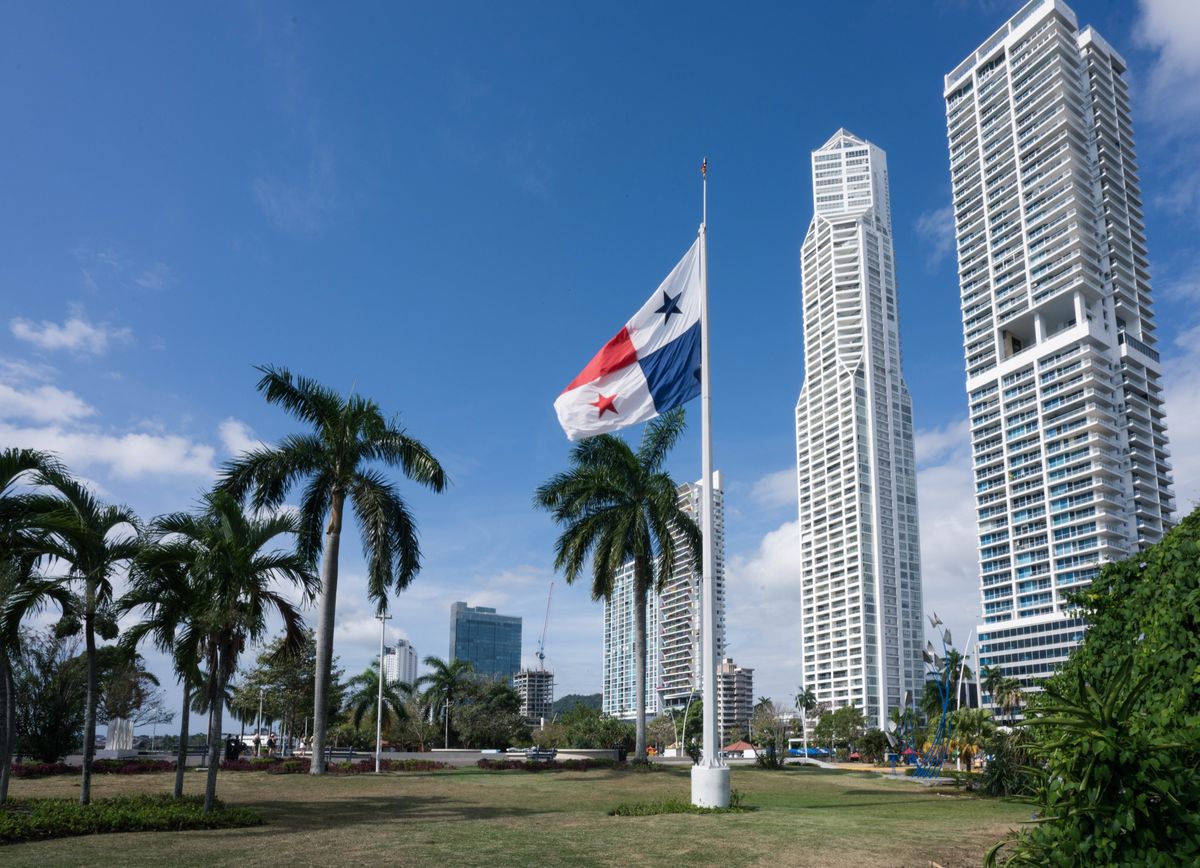
Moving to Panama is simpler than most international moves in two ways: the currency is the US dollar, and residency is applied for after you arrive, not at a consulate. The catch is that the paperwork you need for residency has to be collected and apostilled in the US first, so the work still starts months before you leave.
1. Decide whether you need residency at all
US citizens can enter Panama without a visa. Under current rules the tourist stay is up to 180 days, though a foreign driver’s licence is only valid for the first 90. Visitors can’t work for a Panamanian employer, and tourist status is granted at the officer’s discretion.
If you plan to live in Panama year after year, open a bank account easily, get a local driver’s licence or use the retiree discounts, you need residency.
2. Choose a residency route
Most Americans use one of these:
- Pensionado visa. For anyone with a lifetime pension of at least $1,000 a month, including Social Security. It gives permanent residency.
- Friendly Nations visa. For citizens of a list of countries that includes the US. Since 2021 it generally requires a property purchase or bank deposit of about $200,000, or a job with a Panamanian company.
- Qualified Investor visa. A larger investment for faster permanent residency.
- Short-stay visa for remote workers. Up to 18 months for people paid from abroad. It is not residency.
The residency overview compares them side by side.
3. Hire a Panamanian attorney and gather documents
Residency applications in Panama must be filed by a Panamanian attorney. Bring one in before you start collecting documents, because the list depends on the route and documents expire.
Expect to need, at a minimum:
- A passport with plenty of validity left.
- An FBI background check, apostilled.
- Proof of your pension, investment or job, apostilled where it comes from the US.
- Marriage and birth certificates for dependants, apostilled.
Apostilles for federal documents come from the US State Department and can take weeks. Background checks are usually only accepted for a few months after issue, so time them with your attorney. See Panama immigration lawyers.
4. Travel to Panama and file
You apply in person at the National Immigration Service in Panama City, with your attorney. You register your passport, have a medical certificate issued by a Panamanian doctor, and file. You are given a temporary card while the application is processed, which takes some months. Plan to be in Panama for one to two weeks for the filing, and ask your attorney how long they need you.
5. Pick a place, and rent first
Panama is small but the choices differ sharply: a hot, high-rise capital, cool highland towns, Pacific beach communities and Caribbean islands. Most people who settle well rent for six months to a year before buying. See the best places to live in Panama and buying property in Panama.
6. Open a bank account
Panama uses the US dollar, so there is no exchange rate to manage. Opening an account is slower than in the US. Banks usually want to meet you in person and ask for reference letters, proof of income and a second ID, and US citizens fill in extra forms because of US reporting rules. Allow several weeks, and keep your US accounts.
7. Move your belongings
Household goods usually travel to Panama by sea in a container or a shared container. Many people bring only what is hard to replace and furnish locally. Some residency categories, the Pensionado visa in particular, include a one-time duty exemption on household goods up to a set value. See international movers to Panama.
8. Bring pets and decide about your car
Dogs and cats need a health certificate endorsed by the USDA and advance notice to Panama’s animal quarantine office, and they are normally released to home quarantine on arrival. See bringing pets to Panama.
Importing a US car means duty, shipping and paperwork, and most people sell before they move and buy in Panama. Ask your attorney whether your residency category includes a vehicle duty exemption before you decide.
9. Arrange health cover
Medicare does not pay for care in Panama. Most new arrivals buy private insurance, either a Panamanian policy or an international one, or pay for routine care themselves and insure against large bills. See health insurance in Panama.
10. Keep up with US taxes
US citizens file a US tax return every year wherever they live, and must report foreign bank accounts above a threshold. Panama taxes only income earned in Panama, so a foreign pension is generally not taxed there, but that doesn’t change what you owe the US. See taxes for Americans in Panama.
A typical timeline
| When | What to do |
|---|---|
| 9 to 12 months before | Visit the areas you are considering. Check which residency route fits. |
| 4 to 6 months before | Hire an attorney. Request the FBI background check and other documents. |
| 2 to 4 months before | Get apostilles. Ask for mover quotes. Start pet paperwork. Arrange a rental. |
| 1 to 2 months before | Buy health insurance. Gather bank reference letters. |
| Arrival | File the residency application with your attorney. Start the bank account. |
| First year | Collect your resident card. Get a Panamanian driver’s licence. File your first US return from abroad. |
For what daily life is like once you are there, see living in Panama as an American.
Common questions
Can a US citizen just move to Panama?
US citizens can enter Panama without a visa and, under current rules, stay as tourists for up to 180 days. To live in Panama beyond that you need residency, which you apply for in Panama through a Panamanian attorney. The most common routes are the Pensionado visa and the Friendly Nations visa.
How much money do you need to move to Panama?
It depends on the residency route. The Pensionado visa requires a lifetime pension of at least $1,000 a month. The Friendly Nations visa generally requires a property purchase or bank deposit of about $200,000, or a job with a Panamanian company. On top of that, budget for attorney and government fees and for the move itself.
Can I apply for Panama residency after I arrive?
Yes. Unlike many countries, Panama expects you to apply in person in Panama, and the application must be filed by a Panamanian attorney. What has to happen before you travel is the paperwork: a background check and other documents must be issued and apostilled in the US.
Do I need to speak Spanish to live in Panama?
You can get by in English in parts of Panama City, Boquete and Coronado, where many services cater to foreigners. Government offices, banks and most of daily life outside those areas work in Spanish.
This page is general information, not professional advice. Rules and amounts change, and officials apply them differently. Confirm the details with the relevant authority or a qualified professional before you act on them.