International movers to Panama: shipping household goods
Shipping household goods by sea, with customs clearance in Panama.
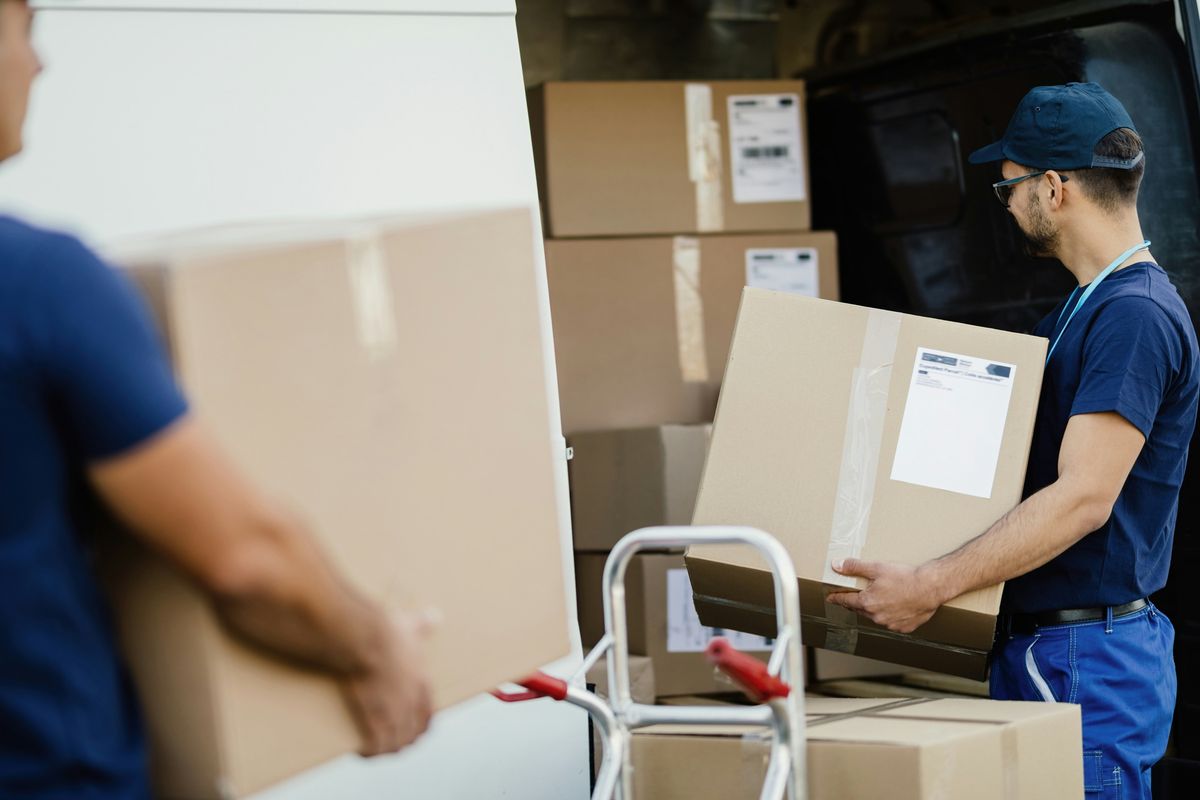
A household moving from the US to Panama travels by sea. A mover packs your goods, ships them in a container to a Panamanian port, clears them through customs with a broker and delivers them to your new home.
Decide how much to bring
Furniture and appliances are easy to buy in Panama, and US-voltage electronics work there without adapters. Shipping is priced by volume, so the decision that changes your quote most is how much you take. Many people bring only what is hard to replace.
Think about the climate as well. Leather, books, artwork and some wooden furniture don’t do well in coastal humidity without air conditioning.
Full container or shared
- A full container, 20 or 40 feet, suits a whole household. It is sealed at your door and opened in Panama.
- A shared container suits a smaller shipment. It costs less and usually takes longer, because the container waits to fill.
- Air freight is fast and expensive, and used for a few boxes you need straight away.
Customs and the duty exemption
Some residency categories let a new resident import used household goods once without duty, up to a set value. The Pensionado visa is the best-known case. Conditions apply:
- The exemption is tied to your residency, so timing matters. Ask whether the shipment should arrive before or after your application is filed or approved.
- Goods should be used, and the shipment needs a detailed inventory with values.
- Vehicles are handled separately, under their own rules.
Without an exemption, duty and Panama’s sales tax are charged on the declared value. Your mover’s customs broker in Panama handles the declaration.
Cars
Importing a car means shipping costs, duty, sales tax and registration, and US models can be harder to service. Most people sell before the move and buy in Panama. If your residency category includes a vehicle duty exemption, get the full landed cost in writing before deciding.
When to book
Ask for quotes three to four months before you move. The mover needs to survey your home, and you need to line up the shipment’s arrival with your residency paperwork and a delivery address.
What to ask before booking
- Is the quote door to door, including port charges, the customs broker and delivery in Panama?
- Who is your agent in Panama, and who do I call if the shipment is held at the port?
- What is insured, for how much, and who handles a claim?
- What do I pay in storage if my paperwork isn’t ready when the container arrives?
- Can you deliver to where I’ll live? Mountain roads and island addresses can need a smaller truck or a boat.
See the steps for moving to Panama for how shipping fits with the rest of the move.
Common questions
How do you ship household goods to Panama?
Almost always by sea. A mover packs your goods in the US, loads them into a full or shared container, ships them to a Panamanian port, clears customs with a broker and delivers to your home.
Do I pay import duty on household goods in Panama?
Some residency categories include a one-time duty exemption on used household goods. The Pensionado visa is the best-known example, with an exemption up to a value commonly cited as $10,000. Outside an exemption, duty and sales tax apply. Confirm what your category allows with your attorney and mover.
How long does shipping to Panama take?
Door to door, commonly four to eight weeks, depending on where in the US you start, whether you share a container and how quickly customs clears the shipment.
This page is general information, not professional advice. Rules and amounts change, and officials apply them differently. Confirm the details with the relevant authority or a qualified professional before you act on them.