Living in Boquete, Panama: weather, costs and the expat community
See what a cool-weather life in Panama's best-known retiree town costs, how the community works, and what to check before you commit.
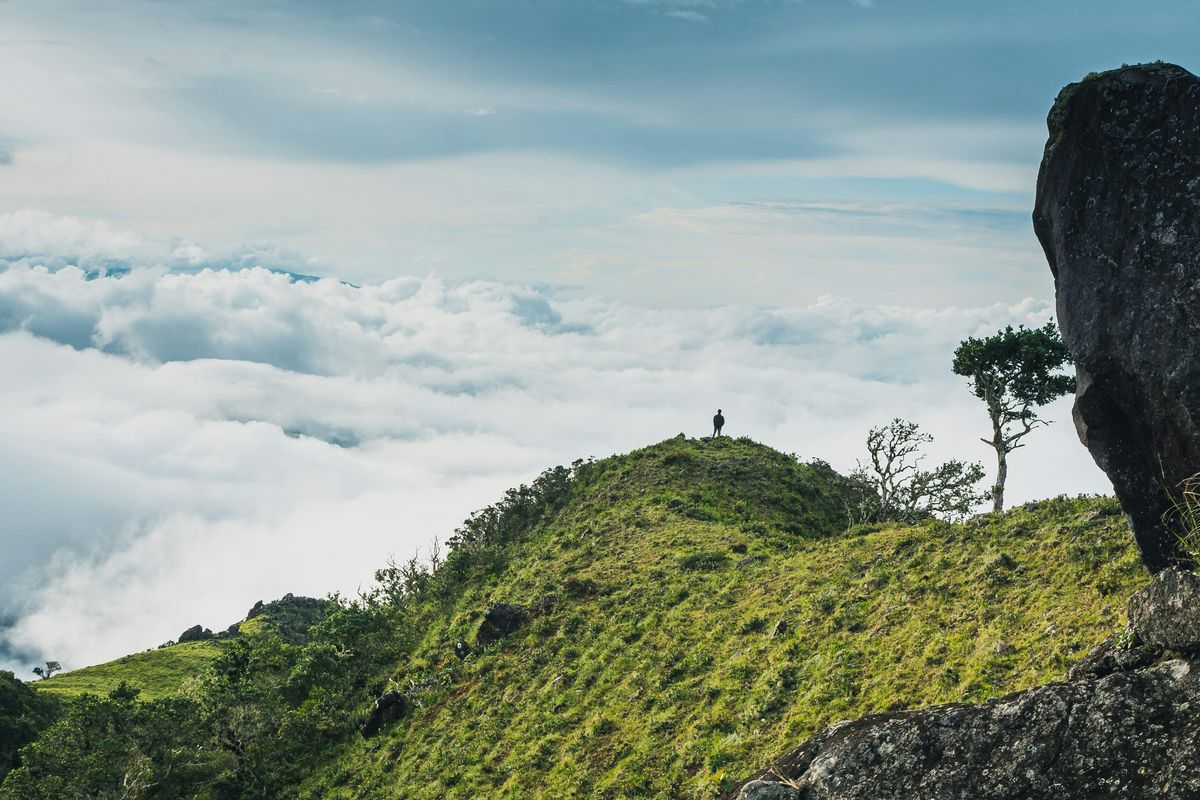
Boquete is a small coffee town in Panama’s western highlands with spring-like weather all year and the country’s best-known community of foreign retirees. A couple spends an estimated $2,000 to $3,000 a month, private hospitals are 40 minutes away in David, and the capital is a one-hour flight.
Boquete at a glance
| Where | Chiriquí province, western Panama, below the Barú volcano |
| Elevation | Roughly 3,500 to 4,000 feet (1,100 to 1,200 meters) in town, higher in the hills |
| Weather | Days mostly in the 70s°F (low to mid 20s°C), cool nights |
| Nearest city | David, about 25 miles (40 km) and 40 minutes downhill |
| Nearest international airport | David’s airport has flights to Panama City. Tocumen in Panama City has the flights to the US |
| Hospital access | Clinics in town; private and public hospitals in David, 40 minutes away |
| To Panama City | About 300 miles (480 km): six to seven hours by road, or a one-hour flight from David |
| Estimated rent | $800 to $1,600 a month for a one- or two-bedroom home |
| Estimated budget for a couple | $2,000 to $3,000 a month |
| Foreign community | Panama’s best-known retiree community, mostly from the US and Canada, with clubs and services in English |
| Language | Spanish, with more English than almost anywhere else in Panama. You can get by on a little Spanish, and you need it for government offices and tradespeople |
Weather
Altitude is the reason people choose Boquete. While the lowlands are in the high 80s and 90s, Boquete’s days are mostly in the 70s°F, and nights can drop into the high 50s or low 60s (around 15°C). Few homes have air conditioning or heating.
- Wet season, about May to November. Mornings are often clear, with rain most afternoons. October and November are the wettest months.
- Dry season, about December to April. Sunnier, with strong winds in the first months and a fine blowing mist called bajareque.
- Microclimates. A ten-minute drive changes the weather. The lower areas toward David are warmer, sunnier and drier. Higher valleys are cooler, wetter and cloudier.
Rent in the area for a few months before choosing a house, and visit in the wet season.
Areas in and around town
| Area | What it is like |
|---|---|
| Bajo Boquete | The town itself: shops, restaurants, the river, and homes within walking distance |
| Alto Boquete | The plateau before town on the road from David. Warmer, drier and sunnier, with easy access to the highway |
| Jaramillo | Hillsides east of town with volcano views, more rain and wind |
| Volcancito and Palmira | Rural hillsides to the west, with coffee farms and cooler air |
| Los Naranjos and Alto Lino | Valleys north of town, green and cooler |
| Gated communities | Several developments with houses and condos, some with golf or clubhouses |
What it costs
These are estimates in US dollars for a couple, meant for early planning:
| Item | Estimated monthly cost |
|---|---|
| Rent, one- or two-bedroom home | $800 to $1,600 |
| Electricity | $30 to $80 |
| Internet and two cell phone plans | $60 to $100 |
| Groceries | $450 to $700 |
| Eating out | $150 to $400 |
| Car: fuel, insurance, upkeep | $150 to $300 |
| Household help, one day a week | $80 to $120 |
| Health insurance and care | Varies widely with age; get quotes |
| Total | About $2,000 to $3,000 |
Local vegetables, fruit and coffee are cheap and good, because Chiriquí grows much of Panama’s produce. Imported goods come from the big stores in David. For how Boquete compares with the rest of the country, see the cost of living in Panama.
Healthcare
Boquete has doctors, dentists and clinics for routine care. For hospital care, residents drive to David, which has two private hospitals and a large public one. For the most specialized treatment, people fly to Panama City. See healthcare in Panama.
Think about the 40-minute drive honestly. It is fine for scheduled care and a real factor in an emergency, particularly from the higher neighborhoods.
The expat community
Foreign retirees began arriving in numbers in the early 2000s, and the community is now well organized. There is a weekly market run by residents, along with theater and music groups, animal welfare and food charities that rely on foreign volunteers, hiking groups and regular social events. Newcomers find it easy to meet people.
The town is still Panamanian. The Ngäbe people, who work the coffee harvest, are a visible part of daily life, and the January flower and coffee fair draws visitors from across the country. People who learn Spanish get more from Boquete than those who stay inside the English-speaking circle.
Getting there and around
- By air. David’s airport has several daily flights to Panama City, about an hour each way.
- By road. The four-lane road from David takes about 40 minutes. The Pan-American Highway to the capital takes six to seven hours.
- Locally. The town center is walkable, and buses and taxis run to the surrounding areas. Most foreign residents own a car, and steep roads make a higher-clearance vehicle useful.
- Costa Rica. The main border crossing is about an hour west of David.
Drawbacks
- Distance from the capital, where the embassy, the main immigration office and the top hospitals are.
- Wind, mist and rain for parts of the year. Some people find the wet months gloomy.
- Water and power. Outages happen, and some neighborhoods have water shortages in the dry season. Many homes have a tank.
- Mold. Humidity is high in the wetter valleys.
- Prices for housing are higher than in nearby towns such as Volcán, Dolega or David, because of foreign demand.
- Earthquakes. Chiriquí is the most seismically active part of Panama, and Barú is a dormant volcano. Damaging events are uncommon.
Crime is low. Burglary of empty homes is the usual concern. See is Panama safe.
Renting and buying
Rent first, for six months to a year, and try more than one area. Much of the land around Boquete is titled, but some is held under rights of possession, so any purchase needs a title search by your own attorney. See buying property in Panama, and ask a local real estate agent about long-term rentals.
Is Boquete for you?
Boquete suits people who want cool weather, a small town, mountains and a ready-made community. It is less suited to people who want the beach, city life or a hospital around the corner. For lower rents with the hospitals on the doorstep, look at David. For cooler, quieter highland living at lower prices, see living in Volcán on the other side of the volcano. For mountain weather closer to the capital, see El Valle de Antón. Compare it with Panama City, Coronado and the other areas in the best places to live in Panama. Most retirees here hold the Pensionado visa, one of several residency routes.
Common questions
What is the cost of living in Boquete, Panama?
As an estimate, a couple living comfortably in Boquete spends $2,000 to $3,000 a month, including rent of roughly $800 to $1,600 for a one- or two-bedroom home. Boquete costs less than Panama City mainly because rents are lower and few homes need air conditioning.
What is the weather like in Boquete, Panama?
Boquete has mild mountain weather all year, with daytime temperatures mostly in the 70s Fahrenheit (low to mid 20s Celsius) and cool nights. The wet season runs from about May to November. The drier months are windy, with a fine mist the locals call bajareque.
Is Boquete a good place to retire?
Boquete is a good place to retire for people who want cool weather, a small town and an established English-speaking community. Private hospitals are about 40 minutes away in David, and Panama City is a one-hour flight or a six- to seven-hour drive, which matters if you need frequent specialist care.
How many expats live in Boquete?
There is no reliable official count of expats in Boquete. Estimates commonly put the foreign community in the low thousands, most of them from the US and Canada, in a district of a few tens of thousands of people. It is large enough to support English-language clubs, markets and services.
Sources
This page is general information, not professional advice. Rules and amounts change, and officials apply them differently. Confirm the details with the relevant authority or a qualified professional before you act on them.