Panama vs Costa Rica: which is better for Americans moving abroad?
Compare the two neighbors on residency, costs, healthcare, taxes and climate, and see which one fits the life you want.
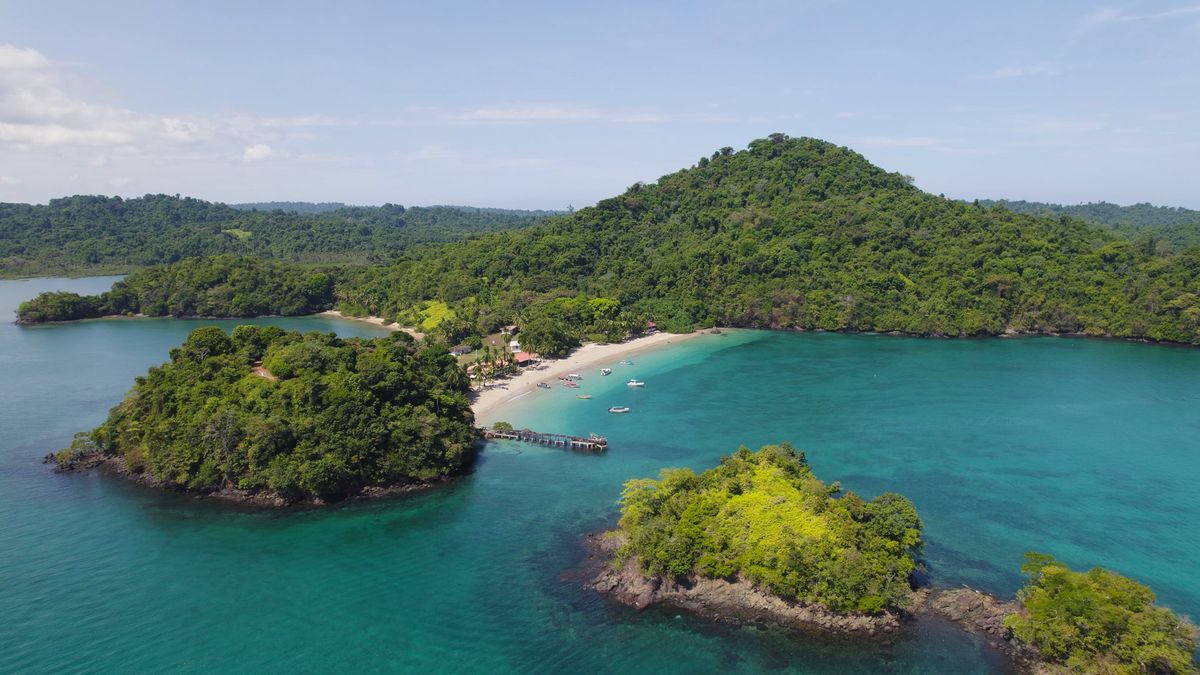
Panama is usually the better fit if you want lower costs, the US dollar and permanent residency on a modest pension. Costa Rica is usually the better fit if you want a mild climate near the capital, a public health system you can join and a life built around nature.
Side by side
Figures are in US dollars and reflect the rules as generally understood at the time of writing. Immigration rules change in both countries, and an attorney in each confirms the current ones.
| Panama | Costa Rica | |
|---|---|---|
| Currency | US dollar | Colón, which moves against the dollar |
| Retirement visa | Pensionado: lifetime pension of $1,000 a month. Permanent from the start | Pensionado: lifetime pension of $1,000 a month. Temporary, renewed about every two years; permanent residency after three years |
| Without a pension | Friendly Nations visa: property or bank deposit of about $200,000, or a Panamanian job | Rentista: $2,500 a month for two years or a $60,000 deposit. Investor: about $150,000 |
| Remote worker visa | $3,000 a month; nine months, renewable once | $3,000 a month, or $4,000 with family; one year, renewable once |
| Tourist stay for US citizens | Up to 180 days | Up to 180 days, at the officer’s discretion |
| Public health system | Not open to most foreign retirees; private care | Residents must join and pay monthly |
| Tax on foreign income | Generally none | Generally none |
| Sales tax | 7% | 13% |
| Retiree discounts | A long list set by law | Limited |
| Citizenship | After five years of permanent residency | After seven years of residency |
| Everyday prices | Generally lower | Generally higher |
| Capital’s climate | Panama City: sea level, hot and humid | San José: about 3,800 feet (1,150 meters), mild |
Residency
Both countries ask a retiree for the same thing: a pension for life of at least $1,000 a month. What you get differs.
In Panama, the Pensionado visa gives permanent residency immediately, with nothing to renew, and comes with discounts on restaurants, flights, medicines and utility bills. In Costa Rica, the same pension gives temporary residency, which you renew by showing the income is still arriving and your public health payments are up to date. You can apply for permanent status after three years.
Without a pension, Costa Rica’s rentista category accepts $2,500 a month of stable income or a $60,000 bank deposit, which suits people living on savings. Panama’s Friendly Nations visa asks for a larger commitment: about $200,000 in property or a fixed-term deposit, or a local job.
Both processes need documents from the US with an apostille, which is a certificate from a US state or the State Department confirming that an official document is genuine. In both, an attorney files for you. See Panama residency for the full list of routes.
Cost of living
Most comparisons put everyday prices lower in Panama. Costa Rica’s higher sales tax and import duties show up in groceries, cars, fuel and electronics. Panama’s dollar also removes exchange-rate swings from a US pension.
Housing depends on where you look. Panama City’s popular districts cost about as much as the better parts of Costa Rica’s Central Valley, and beach property is expensive in both countries. Panama’s interior towns are cheaper than most places foreigners choose in Costa Rica.
As rough estimates, a couple living comfortably spends $2,500 to $4,000 a month in the popular parts of Panama, and somewhat more in the equivalent parts of Costa Rica. See the cost of living in Panama for budgets by area.
Healthcare
Costa Rica requires residents to join its public system, known as the Caja, and to pay a monthly contribution based on declared income. In return you get public care with no bill at the point of use, with waits for non-urgent treatment. Many residents also pay for private care.
Panama’s public social security system is for people who pay in through a job, so foreign retirees rely on private hospitals and either insurance or direct payment. Private care in Panama City is modern and priced well below the US. Both countries have their best private hospitals in and around the capital, and Medicare pays in neither. See healthcare in Panama.
Taxes
Both countries tax on a territorial basis, so a US pension, Social Security and foreign investment income are generally not taxed locally in either. Both tax local salaries, business profits and rent. Property tax is low in both. Americans keep filing US returns wherever they live. See taxes in Panama.
Climate and landscape
The two countries share a border, two coasts and a wet and dry season. The difference is where people live.
- Costa Rica’s capital region, the Central Valley, sits at 3,000 to 4,000 feet (900 to 1,200 meters) and is mild all year. Much of the country’s population and many foreign residents live there. The beach areas are hot.
- Panama’s capital is at sea level and hot. The cool-weather options are small mountain towns: Boquete and El Valle de Antón.
Both lie south of the main hurricane belt. Costa Rica has built its identity around national parks and wildlife. Panama has comparable rainforest and far fewer visitors.
Infrastructure and getting around
Panama’s highways are generally faster, its capital has a metro, and its airport is one of the region’s main hubs, with direct flights to many US cities. Costa Rica has two international airports with frequent US flights, but its roads are slower, and short distances can take hours.
Safety
Both countries are regarded as safer than most of Central America, and in both the usual problems for foreign residents are theft and break-ins. Costa Rica’s homicide rate rose sharply in the early 2020s, driven by drug trafficking, and by reported figures has recently been above Panama’s. In both countries the violence is concentrated in specific districts. See is Panama safe.
Property
Foreigners can own titled property in both countries with the same rights as citizens. Each has a coastal exception. In Costa Rica, most land within 200 meters (about 650 feet) of the high-tide line is public or held under concessions with limits on foreign ownership. In Panama, some coastal and island land is held under rights of possession with no registered title. See buying property in Panama.
Who each country suits
| Choose Panama if you want | Choose Costa Rica if you want |
|---|---|
| Permanent residency right away on a pension | A residency route based on savings or a smaller deposit |
| Dollars, with no exchange rate | Access to a public health system |
| Lower everyday costs and retiree discounts | A mild climate close to the capital |
| A big modern city and a hub airport | Nature, wildlife and an outdoor culture |
| A shorter residency period before citizenship | A larger, more spread-out foreign community |
Many people visit both before deciding. Our sister site covers the other side: moving to Costa Rica, Costa Rica residency and the cost of living in Costa Rica.
If Panama is ahead, start with the steps for moving to Panama and the best places to live in Panama.
Common questions
Is Panama or Costa Rica better for retirement?
Panama is usually the better choice for retirees who want lower costs, the US dollar, permanent residency from the start and legal retiree discounts. Costa Rica is usually better for retirees who want a mild climate near the capital, access to the public health system and a more nature-focused way of life.
Is Panama cheaper than Costa Rica?
Panama is generally cheaper than Costa Rica for groceries, cars, fuel and utilities, and its sales tax is lower. Rent depends on the town: Panama City can cost as much as Costa Rica's Central Valley, while towns in Panama's interior cost less than most places where foreigners live in Costa Rica.
Is it easier to get residency in Panama or Costa Rica?
Residency is generally easier to get in Panama than in Costa Rica for someone with a pension. Both countries ask for a lifetime pension of $1,000 a month, but Panama's Pensionado visa is permanent from the start, while Costa Rica's is temporary, is renewed about every two years and requires monthly payments to the public health system.
Is Panama safer than Costa Rica?
Panama and Costa Rica are both among the safer countries in Central America, and in both the main problems for foreign residents are theft and burglary. Costa Rica's reported homicide rate rose in the early 2020s and has recently been above Panama's. Safety in either country depends on the town and neighborhood.
Sources
This page is general information, not professional advice. Rules and amounts change, and officials apply them differently. Confirm the details with the relevant authority or a qualified professional before you act on them.