Living in Pedasí and the Azuero Peninsula: Pedasí, Las Tablas and Chitré
See what a sunny, lower-cost life in Panama's traditional heartland looks like, how Pedasí, Las Tablas and Chitré differ, and what the distance means.
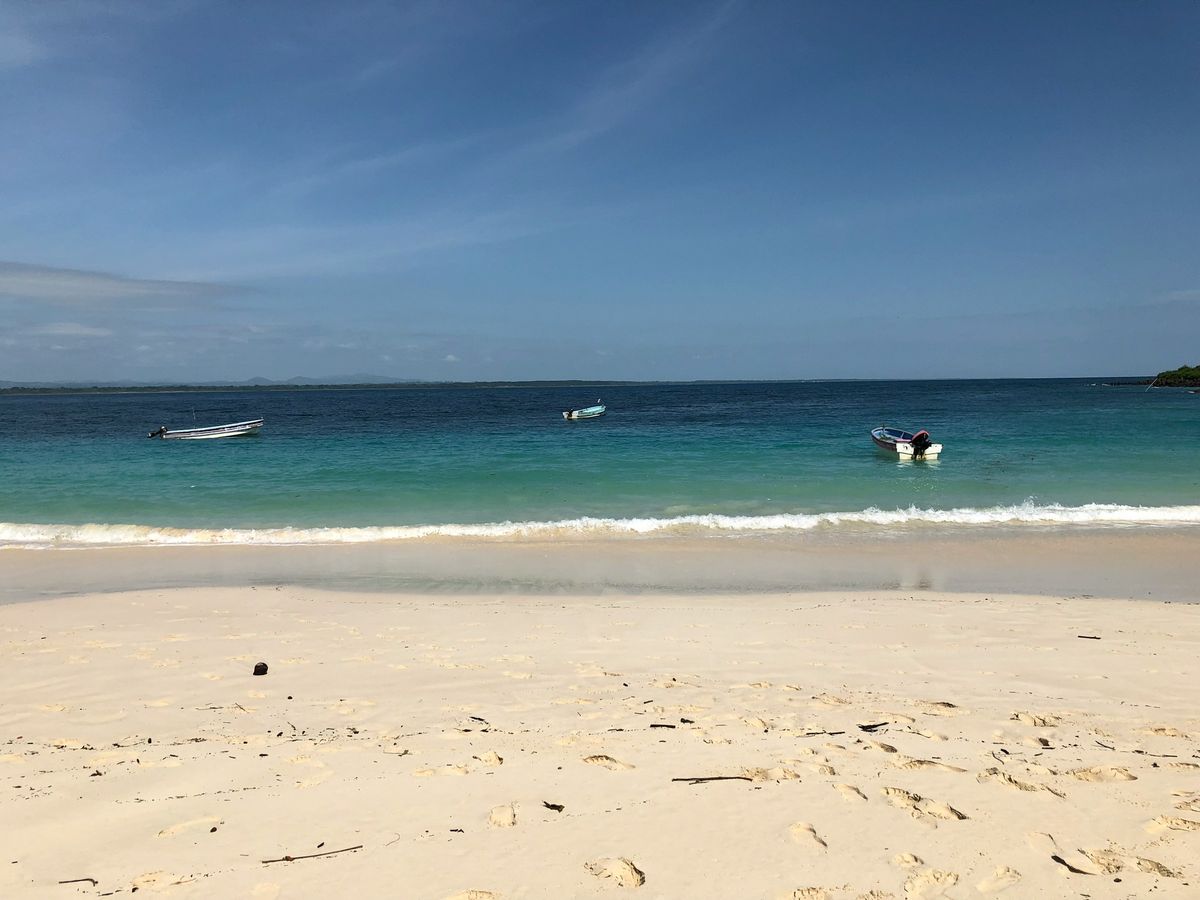
Living on the Azuero Peninsula means sunshine, empty beaches, low costs and towns where Panamanian tradition is part of the week, four to five hours from the capital. It suits people who speak some Spanish, or will learn it, and who value quiet and dry weather over nearby hospitals and shopping.
The Azuero Peninsula at a glance
| Where | A wide peninsula on the Pacific, south of the Pan-American Highway, in Herrera and Los Santos provinces |
| Climate | Hot and sunny, highs around 88 to 95°F (31 to 35°C); the driest part of Panama |
| Elevation | Sea level to low hills |
| Nearest international airport | Tocumen in Panama City: 3.5 to 4 hours from Chitré, about 5 hours from Pedasí |
| Hospital access | Public regional hospitals and small private clinics in and around Chitré and Las Tablas; a health center in Pedasí; major private hospitals in Panama City |
| Estimated rent | $450 to $900 a month in Chitré and Las Tablas; $600 to $1,200 in Pedasí |
| Foreign community | Small. A modest group of North Americans and Europeans in and around Pedasí, and only a scattering in Las Tablas and Chitré |
| Spanish | Essential in Las Tablas and Chitré. Some English is spoken in Pedasí and Playa Venao |
Pedasí is the name most people search for, and most of those searches are for vacations and surf trips. This page covers the peninsula as a place to live.
Who it suits
| Suits | Less suited to |
|---|---|
| People who want sun and a dry climate | Anyone who needs specialists or a private hospital nearby |
| Retirees on a modest budget who want an ordinary Panamanian town | People who want an English-speaking community and clubs |
| Surfers, anglers and people who like quiet beaches | People who dislike heat and wind |
| Spanish speakers and willing learners | Frequent flyers |
The towns and how they differ
| Town | What it is like |
|---|---|
| Chitré | The peninsula’s largest town and commercial center, capital of Herrera province. Supermarkets, a mall, banks, hospitals and car dealers. A working city with very few foreigners |
| Las Tablas | Capital of Los Santos province, about 20 miles (30 km) south of Chitré. A friendly market town known across Panama for its Carnival and its pollera dresses. Low rents, with beaches a short drive away |
| Pedasí | A small fishing town of one main street, about 25 miles (40 km) past Las Tablas. Beaches and sport fishing nearby, a handful of restaurants, and the peninsula’s main foreign community |
| Playa Venao | A surf bay about 20 miles (30 km) beyond Pedasí, built around hotels, hostels and vacation homes. Younger and pricier, with few year-round services |
| Cambutal and Tonosí | The far south coast: remote, green and very quiet |
Many foreign residents live in or near Pedasí and drive to Las Tablas or Chitré for banking, hardware and larger grocery runs.
Weather
The Azuero sits in what Panamanians call the dry arc. From about December to April there is almost no rain, the wind blows hard and the hills turn brown. The wet season is shorter and lighter than in the rest of the country, though it still brings downpours and green hills. Days are hot throughout the year, and most foreign residents use air conditioning for sleeping.
What it costs
Rents are estimates in US dollars for a one- or two-bedroom home on a one-year lease. Check current listings before you rely on them.
| Town | Estimated monthly rent |
|---|---|
| Chitré | $450 to $900 |
| Las Tablas | $450 to $900 |
| Pedasí | $600 to $1,200 |
| Playa Venao | $1,000 to $2,000 or more, with few long-term leases |
As an estimate, a couple spends $1,500 to $2,300 a month in Las Tablas or Chitré and $1,800 to $2,800 in Pedasí. Fish, produce and meals in local restaurants are cheap. Electricity for air conditioning is the bill that climbs. Imported goods are scarce in Pedasí, so residents stock up in Chitré. This is among the lowest-cost regions covered in the cost of living in Panama.
Healthcare
Chitré and Las Tablas have public hospitals, and Chitré has small private clinics and specialists who visit from the capital. Pedasí has a public health center and pharmacies. From Pedasí, allow about 45 minutes to Las Tablas and well over an hour to Chitré. For complex care, residents travel four to five hours to Panama City. That distance is the main reason some retirees choose somewhere else as they age. See healthcare in Panama.
Getting there and around
- By road. Leave the Pan-American Highway at Divisa and drive south through Chitré and Las Tablas. Chitré is about 155 miles (250 km) from Panama City and Pedasí about 200 miles (320 km).
- By bus. Frequent buses link Panama City with Chitré and Las Tablas, with smaller buses on to Pedasí.
- By air. The peninsula has small airfields. Scheduled flights have come and gone over the years, so plan on driving.
- Locally. The towns are flat and walkable. You need a car for beaches, shopping trips and anything outside town.
Safety
The Azuero is one of the quieter parts of Panama. Petty theft and break-ins at unoccupied houses are the usual problems. Road accidents are a bigger risk than crime: rural roads are narrow and unlit, with livestock, cyclists and holiday traffic. See is Panama safe.
Downsides
- Distance from the capital’s hospitals, airport, embassy and immigration office.
- Heat and wind, and dust in the dry season.
- Water shortages. Supply can be cut for hours or days in the dry months. Many homes have a storage tank.
- Limited choice in Pedasí for groceries, restaurants and tradespeople.
- Language. Daily life outside Pedasí runs in Spanish.
- Festival noise. Carnival in Las Tablas, in the days before Ash Wednesday, draws large crowds, and town festivals run late with loud music.
- A small rental market, with many homes kept for short vacation stays.
Pedasí real estate
Lots and houses in gated developments along the coast are marketed to foreigners, alongside older houses in town. Much land on the peninsula is titled, but some coastal and rural parcels are held under rights of possession, with no registered title. Check that roads, water and power are in place, not promised. Have your own attorney run a title search before paying a deposit, and read buying property in Panama.
How people usually start
- Visit in the dry season and again in the wet season. The landscape and the wind change completely.
- Spend time in more than one town. Las Tablas and Pedasí are 45 minutes apart and feel very different.
- Rent for six to twelve months before buying. A local real estate agent can find long-term rentals.
- Check your residency route. Most retirees use the Pensionado visa.
For a beach town closer to the capital’s hospitals, compare Coronado. For cooler weather, see El Valle de Antón and Boquete. All the areas are compared in the best places to live in Panama.
Common questions
Where is Pedasí, Panama?
Pedasí is a small town near the southeastern tip of the Azuero Peninsula, on Panama's Pacific coast in Los Santos province. Pedasí is about 200 miles (320 km) from Panama City, a drive of roughly five hours, and about 25 miles (40 km) south of Las Tablas.
Is Pedasí a good place to live?
Pedasí is a good place to live for people who want a small, quiet beach town with dry weather and a modest foreign community. Pedasí is a long way from major hospitals and big stores, so it suits people in good health who are happy with a simple routine.
What is the weather like in Pedasí and the Azuero Peninsula?
Pedasí and the Azuero Peninsula are hot and sunny, with daytime highs around 88 to 95°F (31 to 35°C). The Azuero is the driest part of Panama. The dry season, from about December to April, brings strong winds and almost no rain, and the wet season is lighter than elsewhere in the country.
How much does it cost to rent in Pedasí, Las Tablas and Chitré?
As an estimate, a one- or two-bedroom home rents for $600 to $1,200 a month in Pedasí and $450 to $900 in Las Tablas or Chitré. Rents in Pedasí are higher because of foreign and vacation demand, and homes at Playa Venao cost more again.
Sources
This page is general information, not professional advice. Rules and amounts change, and officials apply them differently. Confirm the details with the relevant authority or a qualified professional before you act on them.