Living in Volcán, Panama: weather, costs and real estate in the western highlands
See what a quieter, cheaper highland life on the far side of the Barú volcano looks like, and how Volcán compares with Boquete.
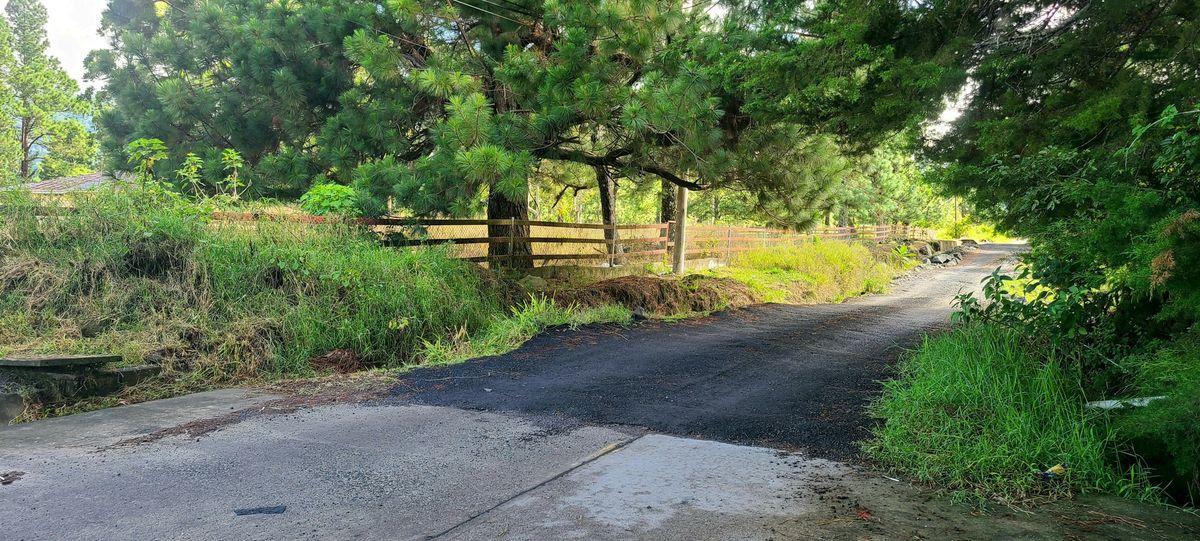
Volcán is a farming town in Panama’s western highlands, on the far side of the Barú volcano from Boquete, with cool weather, open views and lower prices than its better-known neighbor. A couple spends an estimated $1,600 to $2,500 a month, hospitals are about an hour away in David, and daily life runs more in Spanish than it does in Boquete.
The figures on this page are rough estimates as of October 2026, not survey data. Rents and prices change, and residents and local agents confirm the current ones.
Volcán at a glance
| Where | Chiriquí province, western Panama, on the western slopes of the Barú volcano, in the Tierras Altas district |
| Elevation | Roughly 4,500 to 4,800 feet (about 1,400 meters) in town. Cerro Punta, above it, is higher |
| Weather | Days mostly in the high 60s to mid 70s°F (about 19 to 24°C), cool nights |
| Nearest city | David, about 35 miles (55 to 60 km) and an hour downhill |
| Nearest international airport | David’s airport has flights to Panama City. Tocumen in Panama City has the flights to the US |
| Hospital access | A public health center and private clinics in town; hospitals in David, about an hour away |
| To Panama City | About seven hours by road, or a one-hour flight from David plus the drive |
| Estimated rent | $500 to $1,000 a month for a one- or two-bedroom home |
| Estimated budget for a couple | $1,600 to $2,500 a month |
| Foreign community | Small, mostly from the US, Canada and Europe, spread across town and the surrounding farms |
| Language | Spanish. English is far less common than in Boquete, and you will need Spanish for most errands |
Who it suits
| Suits | Less suited to |
|---|---|
| People who want cool weather at a lower cost than Boquete | People who want a ready-made English-speaking social life |
| Gardeners, small farmers and people who want land | Anyone who needs a hospital close by |
| Spanish speakers, or people ready to learn | People who want restaurants, shops and nightlife |
| Hikers and birdwatchers | People who dislike wind and wet-season rain |
Weather
Volcán is higher than Boquete, so it is cooler, and residents often describe it as sunnier and less misty, with less of the blowing drizzle Boquete gets in the dry season. Few homes need air conditioning, and some people use a heater or fireplace on cold nights.
- Wet season, about May to November. Mornings are often clear, with rain most afternoons. October and November are usually the wettest months.
- Dry season, about December to April. Sunny days, cool nights and strong winds, especially in the first months of the year.
- Microclimates. Weather changes quickly with altitude. Areas below town toward La Concepción are warmer, and Cerro Punta above it is colder and cloudier.
These are general patterns, not measurements. The national weather service (IMHPA) publishes station data for the region. Visit in the wet season before you decide.
Volcán and the towns around it
| Area | What it is like |
|---|---|
| Volcán town | The commercial center: small supermarkets, hardware and farm stores, banks, restaurants and the main road |
| Paso Ancho and the outskirts | Homes on larger lots and small farms, a short drive from town |
| Bambito | A narrow, green valley on the road between Volcán and Cerro Punta, known for a river, trout farms and a hotel |
| Cerro Punta | Higher still, cold and often cloudy, with vegetable and flower farms on steep slopes. It is the end of the road and a gateway to two national parks |
| Río Sereno | A small border town to the west with a crossing into Costa Rica, reached by a winding road |
The land around Volcán is some of the most productive in Panama, and much of the country’s vegetables come from these valleys.
What it costs
These are estimates in US dollars for a couple, meant for early planning:
| Item | Estimated monthly cost |
|---|---|
| Rent, one- or two-bedroom home | $500 to $1,000 |
| Electricity | $25 to $70 |
| Internet and two cell phone plans | $60 to $120 |
| Groceries | $400 to $650 |
| Eating out | $80 to $250 |
| Car: fuel, insurance, upkeep | $150 to $300 |
| Household or garden help, one day a week | $60 to $120 |
| Health insurance and care | Varies widely with age; get quotes |
| Total | About $1,600 to $2,500 |
Local produce is cheap and fresh. Larger shopping trips go to David, which has warehouse stores and big supermarkets. Internet is available in town; outside it, coverage is patchier, and some residents use satellite service. For the rest of the country, see the cost of living in Panama.
Real estate in Volcán
People searching for Volcán real estate and homes for sale find a mix of houses in and around town, small farms and building lots, generally at lower prices than in Boquete. Before you buy:
- Check the title. Much of the land is titled, but some rural land is held under rights of possession, which is weaker and can’t support some residency visas. Your own attorney should search the Public Registry and confirm the boundaries.
- Check water. Ask where the water comes from, whether the property has rights to it, and how it holds up in the dry season.
- Check access. Some lots are on steep or unpaved roads that wash out in the wet season.
- Rent first. Spend a wet season in the area before you commit.
See buying property in Panama for how titles and purchases work, and ask a local real estate agent about long-term rentals, which are often not advertised online.
Healthcare
Volcán has a public health center, private general practitioners, dentists and pharmacies for routine care. For hospital care, residents drive to David, about an hour away, which has two private hospitals and public hospitals. For the most specialized treatment, people fly to Panama City. See healthcare in Panama and health insurance in Panama.
An hour to the nearest hospital is fine for scheduled care and a real factor in an emergency. It matters more the older you are, and more from Cerro Punta or a farm off the main road.
Getting there and around
- By road from David. A paved road climbs from La Concepción to Volcán in about an hour from David. Buses run between David and Volcán and Cerro Punta through the day.
- By air. David’s airport has several daily flights to Panama City.
- To Boquete. There is no road over the volcano. The drive goes back down toward David or across the back roads near Dolega and takes about an hour and a half. Hikers can walk between Cerro Punta and Boquete on the Los Quetzales trail when it is open.
- Locally. Most foreign residents own a car. A higher-clearance vehicle helps on farm roads.
The outdoors
The Barú volcano, Panama’s highest point, rises above the town, and Volcán Barú National Park and La Amistad International Park, shared with Costa Rica, are close by. The Lagunas de Volcán wetlands sit just outside town. Birdwatching, hiking and trout fishing are the main pastimes. Panama’s environment ministry manages the parks and sets the rules for access.
Safety
Volcán has low violent crime. Burglary of empty homes and theft of tools and farm equipment are the usual concerns, so homes that sit empty need a caretaker. Roads in the highlands are winding and unlit, and residents avoid driving them at night. Demonstrations that close the Pan-American Highway can leave the whole province short of fuel for a time. See is Panama safe for how the region compares with the rest of the country.
Downsides
- Distance from hospitals, about an hour to David and further to the capital.
- Fewer services than Boquete: fewer restaurants, fewer English speakers and less organized expat life.
- Wind and wet-season rain, and cold, damp nights higher up.
- Water and power outages, which happen, especially outside town. Many homes have a tank.
- The volcano and earthquakes. Barú is dormant and monitored, and has not erupted in centuries. Chiriquí is the most seismically active part of Panama, and damaging events are uncommon.
How people usually start
- Stay a few weeks in Volcán and a few in Boquete, including part of the wet season, and compare them directly.
- Rent for six to twelve months before you buy, and try more than one area around town.
- If you buy, have your own attorney confirm the title and the water.
- Check your residency route. Most retirees here qualify through the Pensionado retirement visa.
For the city services and hospitals of Chiriquí, see living in David. All the areas are compared in the best places to live in Panama.
Common questions
What is the weather like in Volcán, Panama?
Volcán has cool highland weather all year, with days mostly in the high 60s to mid 70s Fahrenheit (about 19 to 24°C) and nights that can drop into the 50s (around 12 to 15°C). The wet season runs from about May to November, and the dry season from about December to April is sunny and windy.
Is Volcán cheaper than Boquete?
Generally, yes. Rents and land prices in Volcán are usually lower than in Boquete, because there is less foreign demand. As an estimate, a couple spends $1,600 to $2,500 a month in Volcán. Check current listings before relying on any figure.
How far is Volcán from David and Boquete?
Volcán is about 35 miles (55 to 60 km) from David, roughly an hour's drive through La Concepción. There is no road across the volcano, so Boquete is about an hour and a half away by way of David or the back roads near Dolega.
Is there a hospital in Volcán, Panama?
No. Volcán has a public health center, private doctors, dentists and pharmacies for routine care. The nearest hospitals, public and private, are in David, about an hour away.
Is Volcán, Panama safe?
Volcán has low violent crime. Burglary, especially of homes left empty, and theft from farms are the usual concerns. Ask neighbors about the exact area before you rent.
Sources
- Instituto de Meteorología e Hidrología de Panamá (national weather service)
- Ministerio de Ambiente (national parks, including Volcán Barú)
- Visit Panama (Autoridad de Turismo de Panamá): Chiriquí
- US Embassy in Panama: medical assistance and list of providers
- Autoridad Nacional de Administración de Tierras (ANATI, land titling)
- Registro Público de Panamá (Public Registry)
This page is general information, not professional advice. Rules and amounts change, and officials apply them differently. Confirm the details with the relevant authority or a qualified professional before you act on them.