Healthcare in Panama: hospitals, costs and how the system works
See where Panama's best hospitals are, what a visit costs, and how residents pay for care once Medicare stops at the border.
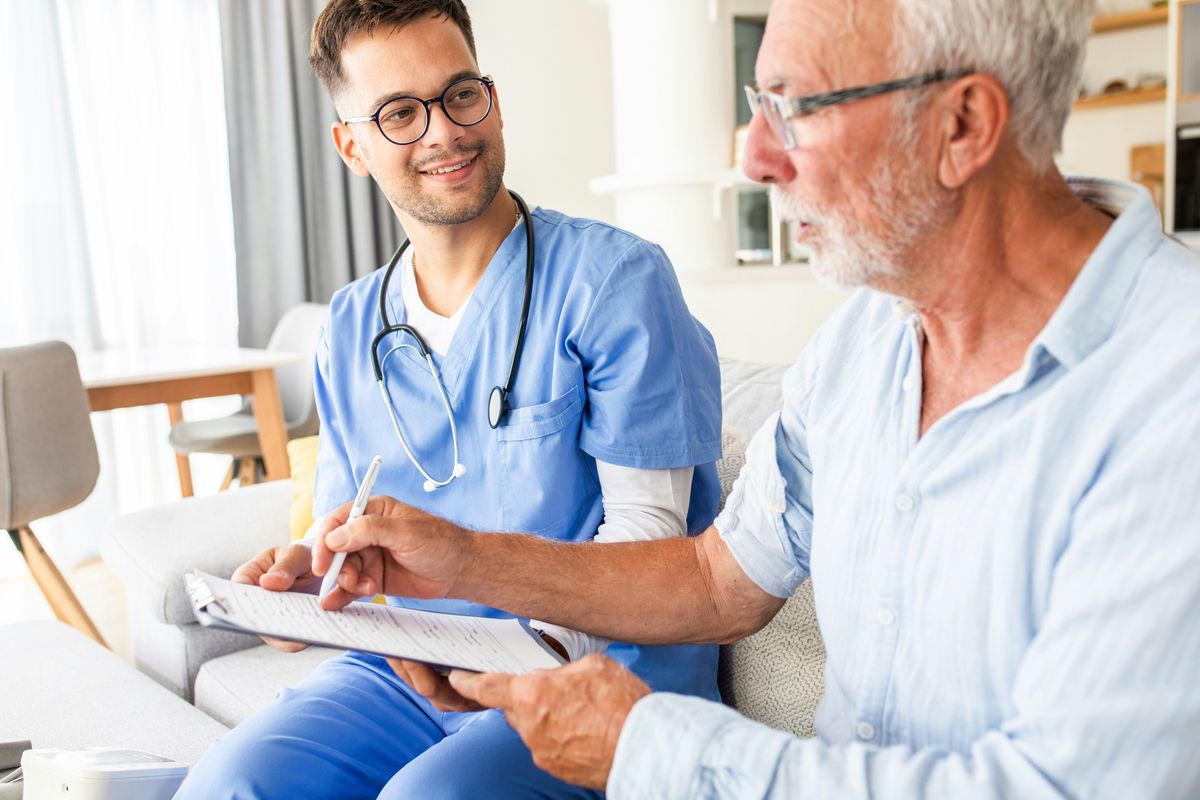
Healthcare in Panama is good in the private hospitals of Panama City and David, and much thinner everywhere else. Most Americans use private care, pay directly for routine visits at prices well below US levels, and carry insurance for the large bills.
The three systems at a glance
| Private | Social security (CSS) | Ministry of Health (MINSA) | |
|---|---|---|---|
| Who uses it | Most foreign residents, and Panamanians who can afford it | People who pay social security contributions, mainly employees, and their families | Anyone |
| What you pay | Direct payment or insurance | Covered by contributions | Low fees |
| Waits | Short | Often long | Often long |
| English | Common among doctors in the capital | Rare | Rare |
| Where | Panama City and David, with clinics in expat towns | Cities and larger towns | Nationwide, including rural health posts |
A foreign retiree is normally outside the CSS, because it is funded by payroll contributions. If you take a job with a Panamanian employer you pay in and are covered.
Where the hospitals are
Panama City has nearly all of the country’s advanced private medicine. The best-known private hospitals are Pacífica Salud (Hospital Punta Pacífica), Hospital Nacional, Hospital Paitilla and The Panama Clinic. Some hold international accreditation or an affiliation with a US hospital group. Those arrangements change, so check the current status with the hospital. The big public hospitals are here too.
David, the capital of Chiriquí province, is the second medical center. Its private hospitals, Hospital Chiriquí and Hospital Mae Lewis, serve Boquete, about 40 minutes away, and the rest of the west.
Everywhere else, expect clinics and small public hospitals:
| If you live in | Routine care | Serious care |
|---|---|---|
| Panama City | Private clinics and hospitals nearby | In the city |
| Boquete | Local clinics and doctors | David, about 25 miles (40 km) downhill |
| Coronado and the Pacific beaches | Private clinics in Coronado | Panama City, 1 to 1.5 hours by road |
| El Valle de Antón | A health center | Panama City, about 2 hours |
| Pedasí and the Azuero | Clinics; public and small private hospitals in Chitré and Las Tablas | Panama City, 4 to 5 hours |
| Bocas del Toro | A small public hospital and clinics | A flight to Panama City or David |
The US Embassy publishes a list of hospitals and doctors, which is a useful starting point. See the best places to live in Panama for how the areas compare on everything else.
What care costs
These are estimates in US dollars for private care, meant for early planning. Ask the hospital for a written quote before any planned procedure.
| Service | Typical private price |
|---|---|
| General practitioner visit | $20 to $60 |
| Specialist visit | $50 to $100 |
| Dental cleaning | $40 to $80 |
| Routine blood work | A fraction of the US price |
| A night in a private hospital, or surgery | Far below US prices, but still thousands to tens of thousands of dollars |
Many medicines cost less than in the US, and some that need a prescription at home are sold over the counter. Antibiotics and controlled drugs need a prescription. Bring a supply of anything unusual and the generic name of each drug you take, because brand names differ.
Residents of retirement age and holders of the Pensionado visa are entitled by law to discounts on consultations, medicines and uninsured hospital bills.
How Americans pay for it
Medicare doesn’t pay for care in Panama. Residents use one or more of these:
- Paying directly for doctor visits, tests and medicines, which is affordable for most.
- A Panamanian private policy, which covers private hospitals in Panama and little or nothing abroad.
- An international policy, which costs more and can cover you in other countries.
- A hospital membership plan, sold by some private hospitals, which discounts care at that hospital.
Premiums depend mostly on age and health history, and some insurers stop accepting new customers at a set age. Get quotes before you commit to a move. Choosing a policy is covered separately: health insurance in Panama for expats compares local, international and hospital plans and lists what to ask a broker.
Private hospitals commonly ask for a deposit or a card guarantee on admission if your insurer doesn’t pay them directly. Know which hospitals your policy has that arrangement with.
Many retirees keep Medicare Part B so they are covered on visits to the US. See retiring in Panama.
Quality and language
Doctors in the private hospitals of the capital often trained in the US or Europe, and many speak English. Nurses, receptionists and billing staff are less likely to. Appointments are easier to get than in the US, and doctors commonly give patients a cell phone number.
Outside Panama City and David, assume Spanish. A bilingual friend or paid helper is worth having for any hospital visit.
Emergencies
- The national emergency number is 911, which dispatches public ambulances in the areas the service covers. Response times in rural areas can be long.
- Private hospitals in the capital run their own ambulances, and some sell ambulance memberships.
- From the interior and the islands, a serious emergency can mean a long road transfer or an air ambulance. Check whether your insurance covers evacuation within Panama.
- Keep your insurer’s emergency line, your nearest hospital’s number and your medication list in your phone and on paper.
Everyday health
Tap water is treated and generally drinkable in Panama City and most larger towns. In Bocas del Toro and some rural areas, residents drink bottled or filtered water. Dengue occurs across the lowlands, mostly in the wet season, so mosquito control around the home matters. The CDC’s page for Panama lists current vaccine advice.
Before you move
- Get insurance quotes at your current age, and ask how existing conditions are treated.
- Decide how far from a full hospital you are willing to live. That choice narrows where you settle.
- Ask your US doctors for a summary of your records and a list of medicines by generic name.
- Visit the hospital you would use, and ask which insurers it bills directly.
- Budget for care using the cost of living in Panama.
Common questions
Is healthcare in Panama good?
Healthcare in Panama is good in the private hospitals of Panama City and, to a lesser degree, David. Many doctors there trained in the US or Europe and speak English. Quality and choice drop in small towns, where you rely on clinics and travel for anything serious.
Is healthcare free in Panama?
Healthcare in Panama is not free for most foreign residents. The social security system covers people who pay contributions, mainly employees. Ministry of Health hospitals and clinics charge low fees to anyone. Private care, which most Americans use, is paid directly or through insurance.
What are the best hospitals in Panama?
The best-known private hospitals in Panama are in Panama City and include Pacífica Salud (Hospital Punta Pacífica), Hospital Nacional, Hospital Paitilla and The Panama Clinic. In David, near Boquete, Hospital Chiriquí and Hospital Mae Lewis are the main private options. Check which ones your insurer pays directly.
Does Medicare cover healthcare in Panama?
No. Medicare generally doesn't pay for healthcare in Panama or anywhere else outside the United States, apart from a few narrow exceptions. Americans living in Panama use private insurance, pay directly, or combine the two.
Sources
This page is general information, not professional advice. Rules and amounts change, and officials apply them differently. Confirm the details with the relevant authority or a qualified professional before you act on them.