Living in Panama City, Panama: neighborhoods, costs and daily life
Find the Panama City neighborhood that fits you, with estimated rents, a monthly budget and an honest look at heat and traffic.
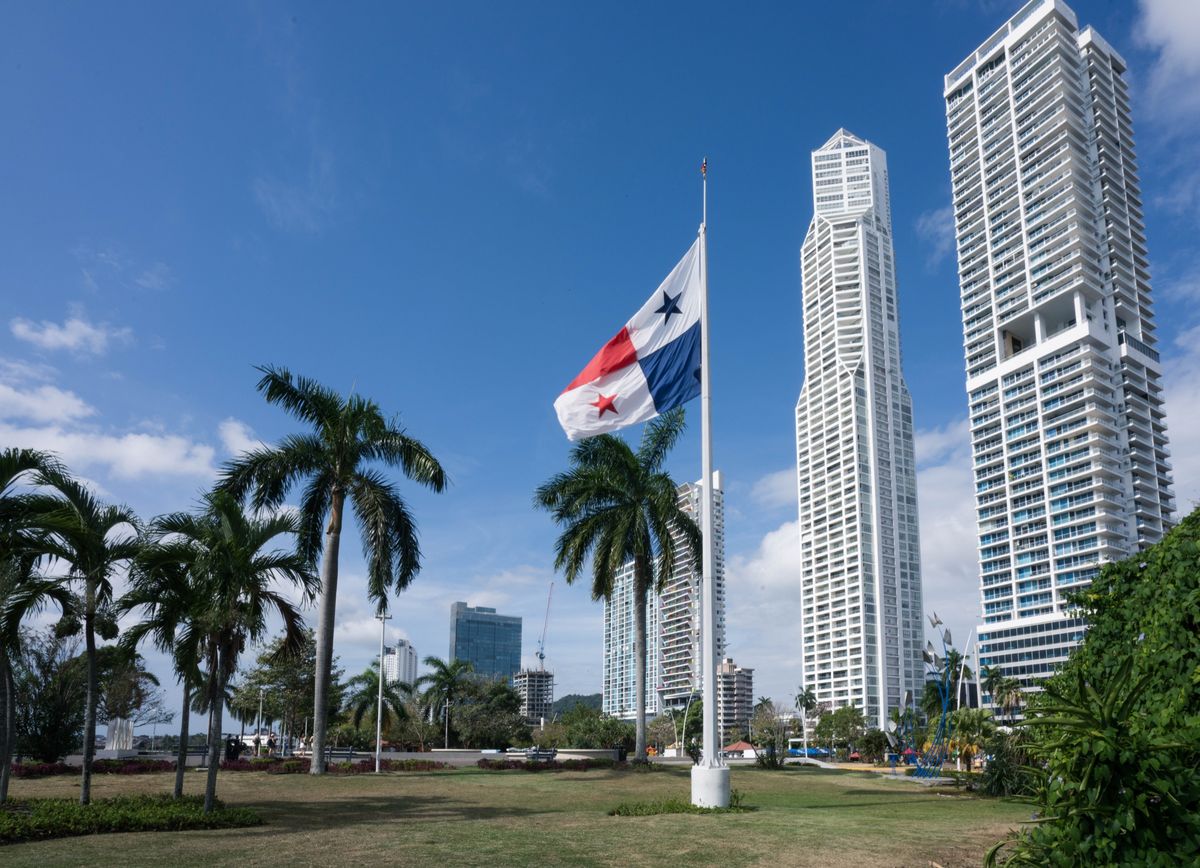
Living in Panama City means a modern, high-rise capital on the Pacific with the country’s best hospitals, a metro, an international hub airport and US dollars in your wallet. A couple spends an estimated $2,500 to $4,000 a month, and the trade-offs are year-round heat, heavy traffic and prices above the rest of Panama.
This page is about the capital of Panama, not Panama City in Florida.
Panama City at a glance
| Climate | Hot and humid all year, with highs around 88 to 92°F (31 to 33°C); dry from about mid-December to April |
| Elevation | Sea level |
| Nearest international airport | Tocumen, about 15 miles (24 km) east of the center, with direct flights to many US cities |
| Hospital access | The country’s leading private hospitals are in the city, minutes from the central districts |
| Estimated rent | $1,000 to $2,200 a month for a one- or two-bedroom apartment |
| Foreign community | The largest and most varied in Panama: Americans, Canadians, Europeans and Latin Americans, including many working-age people and families |
| Spanish | You can get by with little in the central districts and private hospitals. You need it for government offices, utilities and most shops |
Neighborhoods at a glance
Rents are estimates in US dollars for a one- or two-bedroom apartment on a one-year lease. Check current listings before you rely on them.
| Neighborhood | What it is like | Estimated monthly rent |
|---|---|---|
| Punta Pacífica and Punta Paitilla | Sea-view towers beside a large mall and a major private hospital | $1,300 to $2,200 |
| Avenida Balboa, Bella Vista and Marbella | Towers along the waterfront park, close to the banking district | $1,100 to $2,000 |
| El Cangrejo and Obarrio | Older, walkable and central, with restaurants, a metro station and many long-term foreign residents | $1,000 to $1,500 |
| San Francisco and Coco del Mar | Residential streets with a growing restaurant scene and a large city park | $1,000 to $1,800 |
| Costa del Este | A planned, newer district of towers, offices and schools, east of the center | $1,400 to $2,200 |
| Casco Viejo | The restored old quarter: colonial buildings, plazas, nightlife and visitors | $1,200 to $2,200 |
| Clayton, Albrook and Ancón | Former Canal Zone areas with houses, trees and space, near the US Embassy and several international schools | $1,500 to $2,500; houses cost more |
Larger family apartments and houses run well above these figures. Districts where few foreigners live cost much less.
What it costs each month
Estimates for a couple renting in one of the districts above:
| Item | Estimated monthly cost |
|---|---|
| Rent | $1,000 to $2,200 |
| Electricity, with air conditioning | $80 to $250 |
| Internet and two cell phone plans | $60 to $100 |
| Groceries | $500 to $800 |
| Eating out and entertainment | $200 to $500 |
| Transport (ride-hailing and metro, or running a car) | $100 to $400 |
| Health insurance and care | Varies widely with age; get quotes |
| Total | About $2,500 to $4,000 |
Building fees, water and trash collection are usually included in the rent for an apartment. Imported groceries and restaurants in the popular districts are priced close to US levels. For the rest of the country, see the cost of living in Panama.
Climate
Panama City sits at sea level and is hot and humid every month, with daytime highs around 88 to 92°F (31 to 33°C) and warm nights. The dry season runs from about mid-December to April. The rest of the year brings heavy afternoon downpours, though mornings are often clear. Most residents run air conditioning daily, and that shows up in the electricity bill.
Getting around
- Metro. Two lines cross the city, and a branch reaches Tocumen airport. A third line toward the western suburbs has been under construction. Fares are well under a dollar.
- Ride-hailing and taxis. Apps are widely used and cheap by US standards.
- Driving. Rush hours are long, and toll highways around the city need an electronic pass. Many residents of the central districts go without a car.
- Flights. Tocumen International Airport is about 15 miles (24 km) east of the center and has direct flights to many US cities. Domestic flights to David, Chiriquí and Bocas del Toro leave from the smaller Albrook airport.
Healthcare
This is the city’s biggest advantage over the rest of Panama. The country’s leading private hospitals are here, many doctors speak English, and appointments are quick to get. See healthcare in Panama for the hospitals and what care costs.
Safety
The districts in the table are generally safe with normal big-city care. Parts of the city are not, including El Chorrillo and the streets just outside restored Casco Viejo. See is Panama City safe for a breakdown by district.
Daily life
- Language. English is common in business, private hospitals and the districts above. Government offices, utilities and most shops work in Spanish.
- Shopping. Large malls, US chain stores and well-stocked supermarkets mean you can find most things you are used to.
- Outdoors. The waterfront park, the causeway toward the canal entrance and a rainforest park inside the city limits give you places to walk. Beaches are an hour or more away.
- Paperwork. The immigration service, the US Embassy and most banks are here, which makes the first months of residency and banking easier than from the interior.
- Schools. Most of Panama’s international schools are in the city, in Clayton and in the suburbs to the north and east. See private schools in Panama City for curricula and tuition.
Who it suits
| Suits | Less suited to |
|---|---|
| People who want a big city and its restaurants, culture and services | People who dislike heat and humidity |
| Anyone who needs specialists or regular hospital care | People looking for the lowest cost of living in Panama |
| Remote workers and people who fly often | Anyone who wants a quiet, small-town retirement |
| Families who need international schools | People who want to live on the beach |
If the heat rules it out, look at Boquete in the highlands or El Valle de Antón, two hours away. If you want the beach within reach of the city’s hospitals, look at Coronado. All the areas are compared in the best places to live in Panama.
Downsides
- Heat and humidity every month, and the electricity bill that comes with air conditioning.
- Traffic. Rush hours are long, and a short distance can take an hour.
- Cost. Rent, restaurants and imported goods are the most expensive in Panama.
- Noise and construction in the tower districts.
- Flooded streets after heavy downpours in the wet season.
- Uneven sidewalks, which make walking harder than the map suggests outside a few districts.
Before you choose a neighborhood
- Stay for a few weeks in two different districts, including some of the wet season.
- Test the commute you would make at rush hour.
- Ask what the building’s electricity bills run and whether it has a backup generator and water tank.
- Rent for six to twelve months before you buy. A local real estate agent can show you long-term rentals that are never advertised online, and buying property in Panama explains the purchase process.
- Check your residency route early. Retirees usually use the Pensionado visa.
Common questions
What is the cost of living in Panama City, Panama?
As an estimate, a couple living comfortably in Panama City spends $2,500 to $4,000 a month, and a single person about two-thirds of that. Rent is the largest cost in Panama City, at roughly $1,000 to $2,200 for a one- or two-bedroom apartment in the districts popular with foreigners, followed by electricity for air conditioning.
What are the best neighborhoods in Panama City for expats?
The Panama City neighborhoods most popular with expats are Punta Pacífica, Punta Paitilla and Avenida Balboa for waterfront towers, El Cangrejo and San Francisco for walkable city life, Costa del Este for families, Casco Viejo for historic streets, and Clayton and Albrook for houses and greenery.
Is Panama City a good place to live for Americans?
Panama City is a good place to live for Americans who want a big city with strong private hospitals, direct flights to the US and the US dollar. It is hot and humid all year, traffic is heavy, and it costs more than the rest of Panama.
Do you need a car to live in Panama City?
You don't need a car to live in central Panama City. The metro, buses and ride-hailing apps are cheap, and districts such as El Cangrejo and San Francisco are walkable. A car becomes useful in Costa del Este, Clayton and Albrook, and for trips to the beaches and the interior.
Sources
This page is general information, not professional advice. Rules and amounts change, and officials apply them differently. Confirm the details with the relevant authority or a qualified professional before you act on them.