Living in David, Panama: the city of David, Chiriquí, and the towns around it
See what Panama's lowest-cost city offers, with private hospitals and big stores on the doorstep, and how it compares with Boquete and the Chiriquí coast.
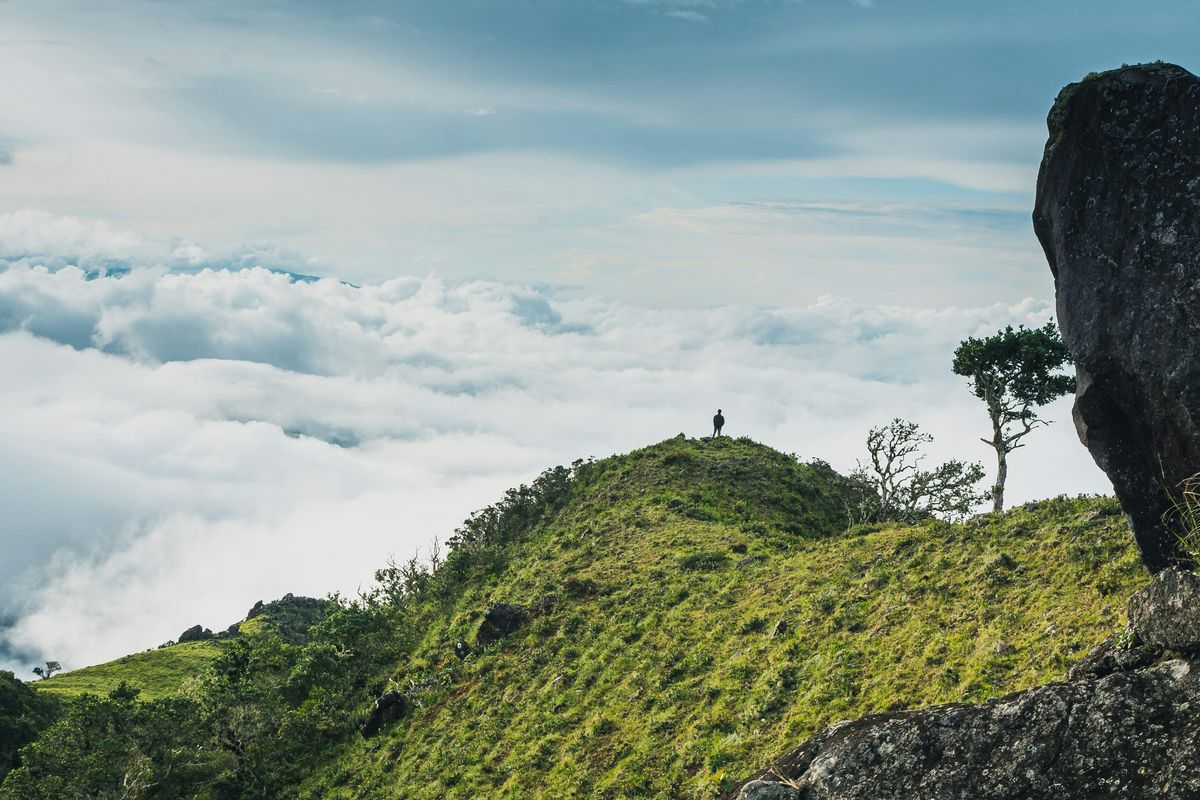
David, Panama is the capital of Chiriquí province and the main city of western Panama, on the lowland plain about an hour from the Costa Rica border. Living in the city of David gives you private hospitals, big stores, an airport and some of the lowest rents in Panama, in a hot, busy city that is Panamanian through and through. It suits people on a modest budget who speak or will learn Spanish and want city services near the mountains and the beach.
David, Chiriquí at a glance
| Where | Capital of Chiriquí province in western Panama, on the Pan-American Highway, about an hour from the Costa Rica border |
| Population | About 156,000 in the district of David at the 2023 census (the city proper is smaller) |
| Climate | Hot and humid; highs around 90 to 95°F (32 to 35°C); heavy rain from about May to November. Much hotter than Boquete and Volcán in the hills |
| Elevation | Near sea level |
| Nearest international airport | David’s own airport has flights to Panama City, about one hour. Tocumen in Panama City has the flights to the US |
| Hospital access | Two private hospitals and large public hospitals in the city |
| Shopping | Malls, warehouse stores and large supermarkets that people drive down from the highlands to use |
| Distances (estimates) | Boquete about 40 minutes, Volcán about an hour, Playa La Barqueta about 30 minutes, Boca Chica about an hour |
| Estimated rent | $450 to $900 a month for a one- or two-bedroom home |
| Foreign community | Small in the city itself. Much larger in Boquete, 40 minutes away |
| Spanish | Needed daily. English is limited to some doctors and a few businesses |
The city of David is the service hub for the whole province. Most foreigners in Chiriquí live uphill in Boquete and come to David to shop, see doctors, catch a flight or deal with government offices. Searches for David are a mix of travelers passing through and people weighing it against Boquete, and this page is for people who may live in or near the city.
Who it suits
| Suits | Less suited to |
|---|---|
| People who want the lowest housing costs with hospitals nearby | People who dislike heat |
| Spanish speakers who want an ordinary Panamanian city | Anyone looking for an English-speaking community |
| People who want the mountains and the beach both under an hour away | People who want a walkable, attractive town center |
| Residents of the wider province who need a base for services | Frequent flyers to the US, who must connect through Panama City |
The city and the towns around it
| Place | What it is like |
|---|---|
| Central David | The area around the main park: shops, banks, government offices and older houses. Busy by day |
| Residential David | Newer subdivisions on the edges of the city, with single-story houses and some gated developments, close to the malls and hospitals |
| Dolega and Potrerillos | Small towns on the roads uphill. Each few hundred feet of altitude takes the edge off the heat, and David is 15 to 30 minutes away |
| Playa La Barqueta | The nearest beach, about 30 minutes south. Dark sand, strong surf and a few houses and condos |
| Boca Chica | A fishing village about an hour east, the jumping-off point for the islands of the Gulf of Chiriquí |
| Las Lajas | A long, open beach a little over an hour east, with a small number of foreign-owned homes |
| Puerto Armuelles | A former banana port near the Costa Rican border, 1 to 1.5 hours west. Low prices, a slow pace and a small foreign community |
For cool weather, Boquete is 40 minutes north. Volcán and the farming towns on the western side of the Barú volcano are about an hour away, and are higher and quieter.
Weather
David is hotter than Panama City and has less sea breeze. Afternoons from about May to November bring heavy rain and thunderstorms. The dry season is sunny, windy and hotter still. Nearly every foreign resident runs air conditioning, which is the main reason electricity bills here are higher than in Boquete.
What it costs
Rents are estimates in US dollars for a one-year lease. Check current listings before you rely on them.
| Home | Estimated monthly rent |
|---|---|
| One- or two-bedroom apartment or house in David | $450 to $900 |
| Newer three-bedroom house in a gated development | $800 to $1,400 |
| House in Dolega or Potrerillos | $500 to $1,000 |
| House in Puerto Armuelles | $400 to $800 |
| Beach house near Boca Chica or Las Lajas | $700 to $1,500 |
As an estimate, a couple spends $1,500 to $2,400 a month in David. Groceries cost less than in the capital because Chiriquí grows much of Panama’s produce, and the city has warehouse stores and large supermarkets. Budget an estimated $100 to $250 for electricity with air conditioning. See the cost of living in Panama.
Healthcare
This is David’s main advantage over every town outside the capital. The city has two private hospitals, Hospital Chiriquí and Hospital Mae Lewis, along with public hospitals, specialists, labs and dentists. Some doctors speak English. For the most specialized treatment, people fly to Panama City. See healthcare in Panama and health insurance in Panama.
Getting there and around
- By air. Enrique Malek airport has several flights a day to Panama City, about an hour each way. International routes have been limited.
- By road. The Pan-American Highway reaches Panama City in about six hours. Long-distance buses run through the day and overnight.
- Costa Rica. The Paso Canoas border crossing is under an hour west.
- Locally. City buses and taxis are cheap, but the city is spread out. Most foreign residents own a car.
Safety
David has more crime than the small highland towns and less than the high-crime districts of Panama City and Colón. Theft from cars, pickpocketing around the bus terminal and burglary are the usual problems. Demonstrations sometimes block the Pan-American Highway, and long protests have left fuel and groceries short in the province. See is Panama safe.
Downsides
- Heat, every day of the year.
- Appearance. David is a commercial city of traffic and low concrete buildings, with little that charms visitors.
- Few English speakers and little organized expat life. Social clubs and events are in Boquete.
- Distance from the capital, where the embassy and main immigration office are.
- Earthquakes. Chiriquí is the most seismically active part of Panama. Damaging events are uncommon.
- Flooding in some low-lying streets during the wettest months. Ask neighbors before renting.
How people usually start
- Stay a few weeks and split the time between David, Boquete and one of the beach towns.
- Rent for six to twelve months before buying. A local real estate agent can show long-term rentals in the city and the surrounding towns.
- If you buy, especially on the coast, have your own attorney confirm the title. Some beach land is held under rights of possession. See buying property in Panama.
- Check your residency route. Retirees usually qualify through the Pensionado visa.
For Caribbean island life, Bocas del Toro is about four hours north by road and boat. All the areas are compared in the best places to live in Panama.
Common questions
What is the population of David, Panama?
The district of David had about 156,000 people in Panama's 2023 census, which makes it the largest urban area in western Panama. The city itself is somewhat smaller than the district, which also takes in rural areas. Panama's statistics institute, INEC, publishes the official figures.
Where is David, Panama?
David is the capital of Chiriquí province in western Panama, on the Pan-American Highway about an hour's drive from the Costa Rica border at Paso Canoas. It sits on the hot lowland plain between the Gulf of Chiriquí and the highlands around Boquete and Volcán.
Is David, Panama a good place to live?
David is a good place to live for people who want low costs, private hospitals and full city services, and who can handle heat. David is a working Panamanian city with few foreign residents, so daily life there runs in Spanish.
Is David, Panama safe?
David is generally safe with ordinary city precautions. The common problems in David are petty theft, car break-ins and burglary, and some outlying neighborhoods are best avoided after dark. Ask residents about the exact street before you rent.
What is the weather like in David, Panama?
David is one of the hottest cities in Panama, with daytime highs around 90 to 95°F (32 to 35°C) all year. David has a dry season from about December to April and heavy afternoon rain from about May to November.
How far is David from Boquete?
David is about 25 miles (40 km) from Boquete, roughly a 40-minute drive on a four-lane road. Volcán is about an hour from David, and Panama City is about 275 miles (440 km) away, around six hours by road or about one hour by air. Drive times are estimates and depend on traffic and roadworks.
Sources
- Hospital Chiriquí (private hospital in David)
- Visit Panama (Autoridad de Turismo de Panamá): Gulf of Chiriquí
- Autoridad Aeronáutica Civil de Panamá (civil aviation authority)
- US Embassy in Panama: medical assistance and list of providers
- Instituto de Meteorología e Hidrología de Panamá (national weather service)
- City Population: David District, census figures from INEC Panama (2000, 2010, 2023)
This page is general information, not professional advice. Rules and amounts change, and officials apply them differently. Confirm the details with the relevant authority or a qualified professional before you act on them.